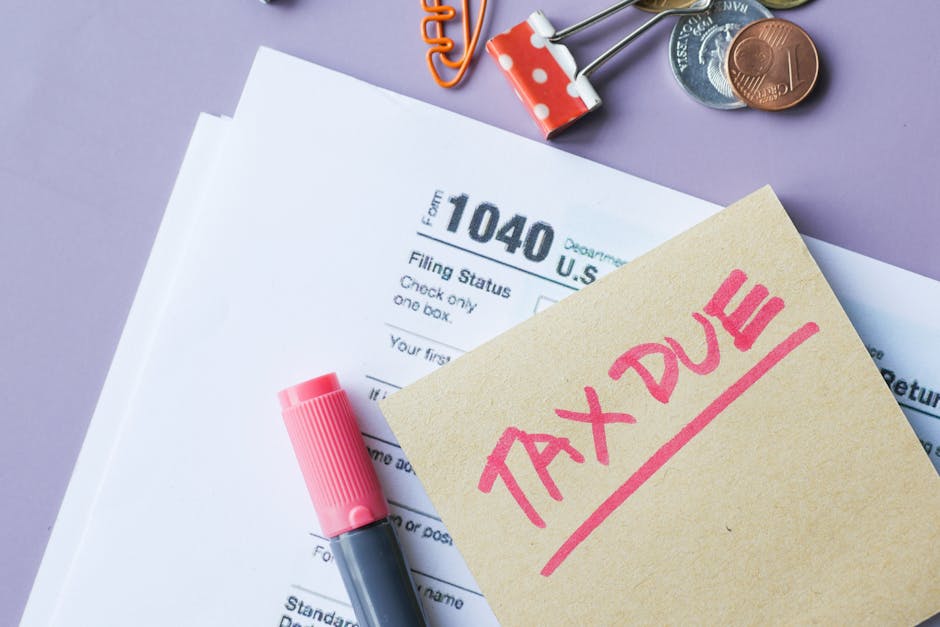
A tax refund provides an opportunity to accelerate debt payoff by applying the lump sum strategically. Prioritize high-interest debts like credit cards first, then tackle lower-interest obligations using the debt avalanche or snowball method. This reduces total interest paid and improves your credit score faster.
Why Using Your Tax Refund for Debt Payoff Makes Financial Sense
Receiving a tax refund feels like unexpected money, but it’s actually your own funds returned to you. According to the Consumer Financial Protection Bureau, the average tax refund exceeds $3,000, making it a meaningful opportunity to tackle outstanding debt.
Using your tax refund for debt payoff creates several immediate benefits. First, you eliminate high-interest debt that costs you money every single month. A credit card balance of $5,000 at 18% APR costs approximately $75 in interest charges monthly. By redirecting your refund strategically, you stop this financial drain.
Second, paying down debt improves your credit utilization ratio—the percentage of available credit you’re using. Credit scoring models heavily weight this factor. Reducing your balances below 30% of your credit limits can boost your score by 50-100 points in some cases, which translates to lower interest rates on future borrowing.
Third, debt payoff builds momentum toward financial freedom. Each eliminated debt removes a monthly payment obligation, freeing up cash flow for savings, investments, or emergencies. This psychological win often motivates people to maintain disciplined financial habits throughout the year.
Should I use my tax refund to pay off debt or invest it?
This decision depends on your current financial situation and interest rates. If you carry high-interest debt above 6-7%, paying it down typically offers better returns than investing. A credit card at 18% APR guarantees you “earn” 18% by eliminating that debt—a return few investments can match with low risk.
However, if you have no emergency fund, allocate 50% of your refund to three months of essential expenses first. Financial emergencies without savings force people back into debt. Once you have that safety net, redirect the refund to strategic debt elimination.
Strategic Approaches to Allocate Your Tax Refund
How you allocate your refund matters as much as the decision to use it for debt. Three primary strategies exist for strategic debt repayment with your tax returns.
The Debt Avalanche Method targets the highest interest rate first. List all debts by interest rate, highest to lowest. Apply your entire refund to the highest-rate obligation. This mathematically minimizes total interest paid and is most efficient for math-focused people. If you have a 21% credit card, 8% car loan, and 5% student loan, the refund goes entirely to the credit card.
The Debt Snowball Method targets the smallest balance first, regardless of interest rate. Psychologically, this approach builds momentum faster because you eliminate debts completely and see progress quickly. Many people find celebrating wins—even small ones—sustains motivation better than chasing mathematical optimization.
The Hybrid Approach splits your refund. Allocate 70-80% to your highest-interest debt using the avalanche method. Use the remaining 20-30% to pay off the smallest balance using the snowball method. This captures most mathematical efficiency while maintaining psychological momentum.
Your personality and financial situation determine which works best. Data-driven people succeed with the avalanche. Those motivated by quick wins thrive with the snowball. Most people find balance with the hybrid approach.
How to Prioritize Which Debts to Pay Off First
Determining the best ways to use your tax refund requires systematic prioritization. Follow this framework:
Step 1: List All Debts Write down every debt with three details: creditor name, current balance, and interest rate. Include credit cards, medical bills, personal loans, car loans, and student loans. Don’t skip small debts—they count.
Step 2: Calculate Interest Costs Multiply each balance by its interest rate to see annual interest charges. A $3,000 credit card balance at 18% costs $540 yearly. A $15,000 student loan at 5% costs $750 yearly. High-balance, high-rate debts damage your finances most severely.
Step 3: Identify Strategic Targets High-interest credit cards and payday loans deserve priority. Medical debt in collections affects credit scores heavily—paying these can recover significant points. Federal student loans carry protections and lower rates, so they rank lower unless you’re pursuing loan forgiveness programs.
Step 4: Calculate Payoff Impact Use our debt payoff calculator to model different allocation scenarios. See how directing your refund to various debts changes your total payoff timeline and interest costs. This transforms guessing into data-driven decisions.
Step 5: Create Your Allocation Plan Decide your strategy (avalanche, snowball, or hybrid) and commit to it. Write the plan down. Share it with someone accountable—a trusted friend, family member, or financial counselor.
What debts should I pay off first with my tax refund?
Prioritize in this order: First, credit cards above 15% interest. Second, payday loans or other predatory debt. Third, collection accounts damaging your credit score. Fourth, personal loans at moderate rates (8-14%). Fifth, car loans and mortgages at lower rates. Last, federal student loans at 4-5% unless you’re maximizing forgiveness programs.
Tools and Calculators to Maximize Your Debt Payoff Strategy
Strategic debt allocation requires accurate calculations. Our debt elimination calculators help you model different scenarios before committing your refund.
Start by listing your debts in a calculator and testing both avalanche and snowball methods. See the total interest paid under each approach. Most people discover the difference between methods is 10-15% in total interest—smaller than expected. This justifies choosing the psychological approach that keeps you motivated.
Next, model partial payments to your refund amount. What if you allocate $2,000 to your highest-interest card and $1,000 to a secondary debt? How does this affect your timeline? These scenarios reveal optimal allocations based on your situation and priorities.
Finally, project your credit score improvement timeline. Paying down balances improves scores within 30-45 days. Use this motivation to stick with your plan when temptation hits to spend your refund elsewhere.
How to Use the Calculator
Our comprehensive debt payoff calculator compares avalanche and snowball methods side-by-side. Input your current debts, interest rates, and refund amount. The calculator immediately shows total payoff dates and interest costs under each strategy.
Experiment with different refund allocations. Some people find that splitting refunds across 2-3 debts creates motivational wins without sacrificing efficiency. Others prefer focusing 100% on one target for psychological impact. The calculator eliminates guessing from this process.
Frequently Asked Questions
Can I use my tax refund to pay off all my debts at once?
Unlikely, unless you have minimal debt. Most refunds range $2,000-$4,000 while typical debt loads exceed $10,000. Instead, use your refund to eliminate your highest-interest debt completely or make significant progress toward that goal. This creates a psychological win and demonstrates your debt-elimination capability.
- Debt Payoff Planner & Budget Tracker Software — Complements the strategic debt payoff methods discussed; helps users track avalanche/snowball strategies and monitor progress on their tax refund allocation
- YNAB (You Need A Budget) – Personal Finance App — Ideal affiliate fit for readers wanting to implement strategic budgeting alongside tax refund debt payoff; popular personal finance tool for allocating lump sums intelligently
- Credit Score Monitoring Service (Credit Karma/Experian) — Post mentions improving credit scores through debt payoff; monitoring tools help users track credit improvements resulting from their tax refund debt reduction strategy