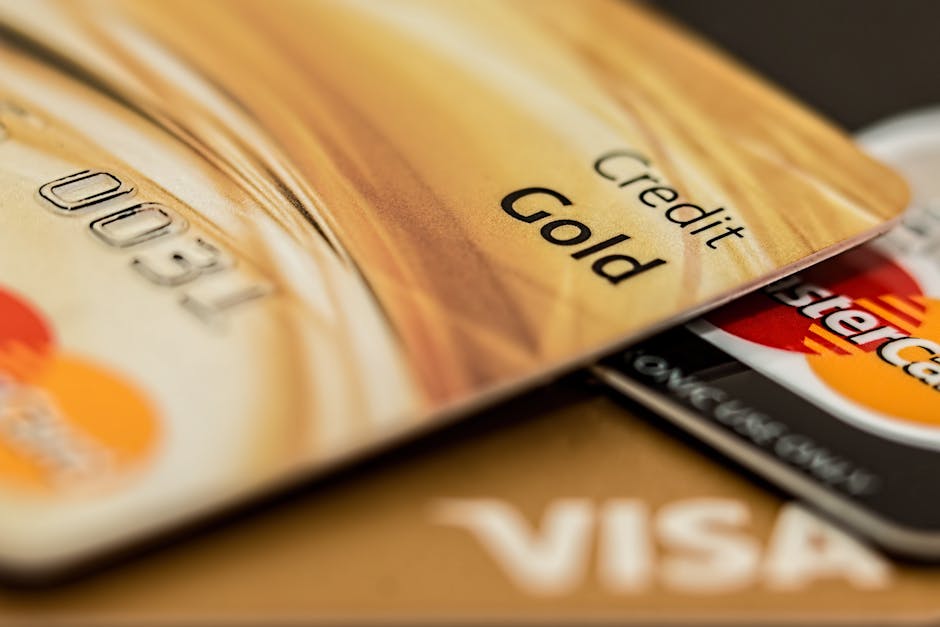
A secured credit card is a credit product requiring a cash deposit that serves as collateral, helping individuals with poor credit or existing debt build positive credit history. These cards report to major credit bureaus and function like regular cards but with lower credit limits tied to deposit amounts.
What Is a Secured Credit Card?
A secured credit card operates differently from traditional unsecured cards. When you apply, you deposit cash into a savings account held by the card issuer—typically between $200 and $2,500. That deposit becomes your credit limit, or sometimes a percentage above it. The bank holds your money as security while you build credit through responsible card use.
The key advantage? Your activity gets reported to all three major credit bureaus (Equifax, Experian, and TransUnion), just like unsecured cards. This means every on-time payment, low balance, and responsible behavior gets documented in your credit history, directly improving your credit score over time.
According to the Consumer Financial Protection Bureau (CFPB), secured cards represent one of the most effective tools for credit-invisible consumers and those rebuilding after financial setbacks.
How Secured Cards Help Build Credit While Managing Debt
If you’re carrying existing debt, a secured card can work alongside your repayment strategy. The card itself doesn’t create new debt obligations—it’s a tool for demonstrating creditworthiness. Here’s how they complement debt management:
Payment history accounts for 35% of your credit score. When you make on-time payments on your secured card (even small charges), you’re building the single most important credit factor. This improved score can eventually qualify you for better interest rates on remaining debts.
Secured cards also help with credit utilization, which comprises 30% of your score. By keeping your balance low relative to your limit, you show lenders you can manage credit responsibly—critical when you’re working through existing debt.
Many people use secured cards strategically alongside structured debt payoff plans. As you pay down existing obligations, your secured card demonstrates improving credit behavior to lenders.
Can you use a secured credit card while paying off debt?
Yes, absolutely. In fact, using a secured card while managing existing debt is one of the most effective credit-building strategies. The key is keeping your secured card balance minimal—use it for small, recurring purchases you’d make anyway, then pay it off in full each month. This demonstrates responsible credit use without adding to your overall debt burden. Your secured card activity and your debt payoff efforts work together to improve your credit profile.
Key Features to Look for in a Secured Card
Not all secured cards are created equal. When evaluating options among the best secured credit cards 2024-2026, consider these essential features:
Low or no annual fee: Some secured cards charge $0 annually, while others charge $25-$95. Since you’re already depositing money as collateral, annual fees shouldn’t be excessive.
Reasonable interest rate: APRs for secured cards range from 18% to 24%. While higher than unsecured cards, a lower rate matters if you ever carry a balance.
Credit bureau reporting: Confirm the card reports to all three bureaus. This is non-negotiable for effective credit building.
Path to upgrade: Look for cards that explicitly state upgrade timelines—typically 6-18 months of responsible use can lead to transitioning to an unsecured card with your deposit returned.
Deposit return policy: Understand exactly when and how you’ll get your deposit back. Some cards return it automatically; others require a request.
Step-by-Step Guide to Using a Secured Card Effectively
Step 1: Make a small deposit – Start with your minimum required amount if budget-conscious. A $300-$500 deposit is sufficient to begin building credit.
Step 2: Make regular small purchases – Use your card for expenses you’ll pay anyway: gas, groceries, or a subscription service. Small charges are easier to pay off completely each month.
Step 3: Pay your full balance monthly – This is critical for credit building and avoiding interest charges. Set up autopay if possible to ensure you never miss payments.
Step 4: Keep utilization under 30% – If your limit is $500, maintain balances below $150. This demonstrates credit control to lenders.
Step 5: Monitor your credit report – Check your credit regularly to ensure the card is reporting correctly. You’re entitled to free annual reports from AnnualCreditReport.com.
Step 6: Avoid closing the account – Even after upgrading to an unsecured card, keep your secured card open. Length of credit history matters for your score.
Step 7: Plan your graduation timeline – Most issuers review accounts after 6-18 months for upgrade potential to an unsecured card.
Secured vs. Unsecured Cards: Which Is Right for You?
The secured credit card vs unsecured comparison is straightforward: secured cards are for building credit; unsecured cards are for established credit users.
Choose a secured card if you:
- Have no credit history or poor credit scores (below 620)
- Are recovering from past financial difficulties
- Are managing existing debt and want to improve your profile simultaneously
- Need to qualify for better rates on future loans or mortgages
Choose an unsecured card if you:
- Have an established credit history (3+ years of accounts)
- Maintain credit scores of 670+
- Have successfully demonstrated responsible payment behavior
How long does it take to build credit with a secured card?
Most users see meaningful credit score improvements within 6-9 months of consistent, responsible secured card use. However, significant rebuilding can take 12-24 months depending on your starting point and overall credit profile. The CFPB notes that credit building is gradual—there’s no shortcut—but secured cards accelerate the process by providing a reportable account to credit bureaus when other options aren’t available. Your timeline depends on starting credit, payment history, existing debt levels, and how actively you’re managing these factors.
Common Mistakes to Avoid With Secured Credit Cards
Mistake 1: Carrying a balance – Interest charges work against your credit-building goals. Always pay in full monthly.
Mistake 2: Missing payments – Even one late payment significantly damages your score. Set reminders or autopay.
Mistake 3: Maxing out your limit – High utilization suggests financial strain. Keep balances low regardless of available credit.
Mistake 4: Applying for multiple secured cards – Each application triggers a hard inquiry, temporarily lowering your score. One secured card is usually sufficient.
Mistake 5: Closing the account too quickly – After upgrading to unsecured status, keep the account open. Closing it reduces your available credit history.
Timeline: When to Graduate to an Unsecured Card
Most issuers evaluate accounts after 6 months of on-time payments. Some offer automatic upgrade paths, while others require
- Capital One Secured Mastercard — Direct complement to secured card article; readers actively seeking secured card options would benefit from educational materials on credit building strategies
- Credit Monitoring Service (Experian) — Essential companion product for secured card users who need to track credit bureau reporting and monitor their improving credit score progress
- Credit Building and Debt Payoff Workbook — Practical resource that aligns with the ‘7 essential steps’ framework; readers engaged with structured credit-building advice would value a workbook to track progress
SPONSORED
AI-Powered Credit Monitoring & Repair
Franklin AI monitors your credit 24/7 and automatically disputes errors that may be dragging your score down. Start improving your credit today.
Start Free Trial →Affiliate partner — we may earn a commission at no cost to you.
SPONSORED
Split Purchases Into 4 Interest-Free Payments
Klarna lets you shop now and pay over time — no interest, no fees when you pay on time. Used by 150M+ shoppers worldwide.
Get the Klarna App →Affiliate partner — we may earn a commission at no cost to you.