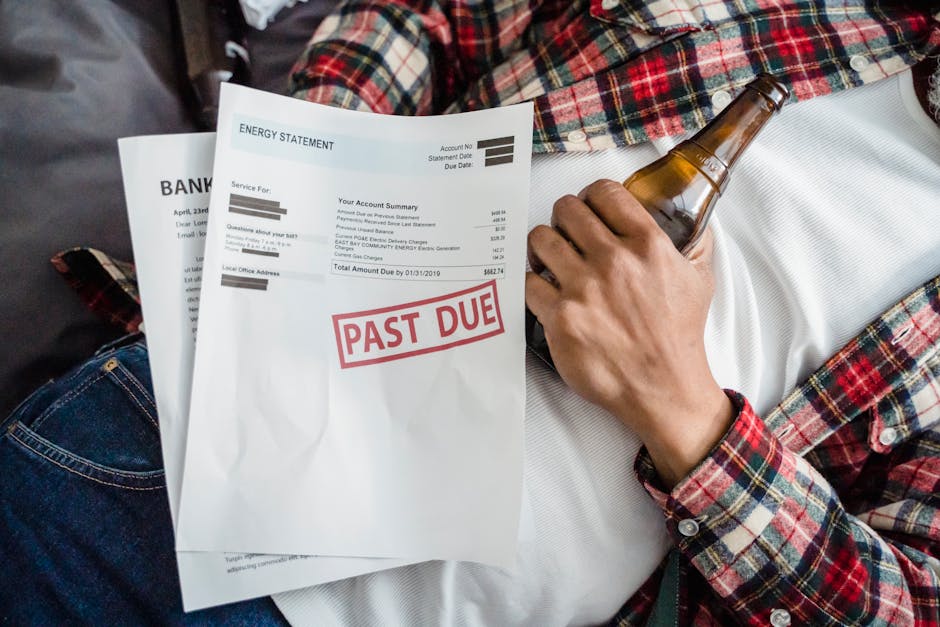
How Bankruptcy Affects Your Credit Score and Finances
Bankruptcy can devastate your credit score, potentially dropping it by 100-200 points or more depending on your starting score. The impact remains on your credit report for 7-10 years, making it harder to qualify for loans, mortgages, and even employment. However, bankruptcy also stops debt collection activities immediately and offers a genuine fresh start for those drowning in unmanageable debt.
The Immediate Impact on Your Credit Score
When you file for bankruptcy, the effect on your credit score is substantial and immediate. If you enter bankruptcy with a strong credit score of 750+, you could see a drop of 130-200 points within days. Those with lower starting scores (500-649) may experience drops of 50-100 points, though the relative damage is often less severe.
The exact impact depends on several factors: your current credit profile, the type of bankruptcy filed (Chapter 7 vs. Chapter 13), and how your creditors report the filing. Chapter 7 bankruptcy, which involves liquidating assets, typically damages your score more severely than Chapter 13, which involves a reorganization plan.
Within the first few months after filing, you’ll likely see your credit utilization ratio plummet as debts are discharged or restructured. This can actually provide some positive credit impact over time, as lower utilization ratios help improve scores. However, this small benefit is typically overshadowed by the bankruptcy notation itself.
Long-Term Financial Consequences and Recovery
Bankruptcy remains on your credit report for seven to ten years, depending on the chapter filed. Chapter 7 stays for ten years, while Chapter 13 stays for seven years from the filing date. During this period, qualifying for new credit becomes significantly more difficult and expensive.
Lenders view bankruptcy filers as high-risk borrowers. If you do qualify for credit cards, auto loans, or mortgages during this period, you’ll face substantially higher interest rates. A mortgage that costs someone with a 750 credit score 4% might cost a bankruptcy filer 6-8% or more, translating to tens of thousands of dollars in additional interest over the life of the loan.
The good news: you can begin rebuilding your credit immediately after filing. Many people see their scores recover by 100-150 points within the first year through responsible financial behavior. Secured credit cards, becoming an authorized user on someone else’s account, and making all payments on time accelerate recovery significantly.
Employment can also be affected. Some employers, particularly in financial services or positions requiring security clearances, may hesitate to hire bankruptcy filers. Insurance rates may increase, and landlords sometimes conduct credit checks before approving rental applications.
Advantages and the Fresh Start
Despite the significant credit damage, bankruptcy offers crucial advantages for those in genuine financial distress. The automatic stay provision halts all collection calls, lawsuits, wage garnishments, and foreclosure proceedings immediately. This breathing room is invaluable for people being aggressively pursued by creditors.
Chapter 7 bankruptcy can eliminate most unsecured debts entirely—credit cards, medical bills, personal loans, and payday loans simply disappear. Chapter 13 creates a manageable repayment plan, typically lasting 3-5 years, allowing you to catch up on missed mortgage payments while restructuring other debts.
Many bankruptcy filers report improved financial health within 2-3 years despite the credit score damage. Without massive monthly debt payments, they can save money, build emergency funds, and invest in their futures. The psychological relief of eliminating overwhelming debt often proves just as valuable as the financial benefits.
Bankruptcy is also a legal process with consumer protections. You work with a bankruptcy trustee and court system designed to ensure fair treatment. This is fundamentally different from informal debt settlement, which often leaves you vulnerable to aggressive creditor tactics.
How to Use the Debt Repayment Calculator
Before considering bankruptcy, explore whether other debt management strategies might work for your situation. Our debt repayment calculator helps you visualize how quickly you can eliminate debt through aggressive repayment strategies, snowball or avalanche methods, and various payment schedules. Enter your debts, interest rates, and proposed monthly payments to see if accelerated payoff is achievable without bankruptcy.
This calculator provides clarity on whether you’re truly in a position requiring bankruptcy or whether structured repayment could work. Many people discover they can eliminate debt faster than expected with the right strategy, potentially preserving their credit scores in the process.
Frequently Asked Questions
How long does bankruptcy stay on your credit report?
Chapter 7 bankruptcy remains on your credit report for 10 years from the filing date. Chapter 13 bankruptcy stays for 7 years from the filing date. However, the impact on your credit score diminishes significantly over time, especially once you demonstrate responsible financial behavior with on-time payments and low credit utilization.
Can you get a mortgage after bankruptcy?
Yes, but with conditions. Most lenders require a 2-3 year waiting period after Chapter 7 discharge, or until the Chapter 13 repayment plan completes. Some government-backed loans (FHA, VA, USDA) have slightly shorter waiting periods. Interest rates will be higher, and you’ll need a larger down payment. Building excellent credit during the waiting period significantly improves your chances of approval.
Does bankruptcy eliminate all debts?
No. Certain debts survive bankruptcy, including student loans (with rare exceptions), child support, alimony, recent income taxes, and court fines. Secured debts like mortgages and auto loans aren’t eliminated unless you surrender the property. Chapter 13 also treats debts differently than Chapter 7, which attempts to eliminate unsecured debts entirely.
- Credit Repair Software – Credit Karma Premium — Helps users monitor credit score recovery after bankruptcy, track progress, and access personalized recommendations for rebuilding credit
- Identity Theft Protection – LifeLock — Provides financial protection and credit monitoring during vulnerable post-bankruptcy period when identity theft risk may be higher
- Secured Credit Card – Amazon Prime Rewards Visa Signature Card — Practical tool for rebuilding credit after bankruptcy with manageable requirements and accessible rewards structure
SPONSORED
AI-Powered Credit Monitoring & Repair
Franklin AI monitors your credit 24/7 and automatically disputes errors that may be dragging your score down. Start improving your credit today.
Start Free Trial →Affiliate partner — we may earn a commission at no cost to you.
SPONSORED
Split Purchases Into 4 Interest-Free Payments
Klarna lets you shop now and pay over time — no interest, no fees when you pay on time. Used by 150M+ shoppers worldwide.
Get the Klarna App →Affiliate partner — we may earn a commission at no cost to you.