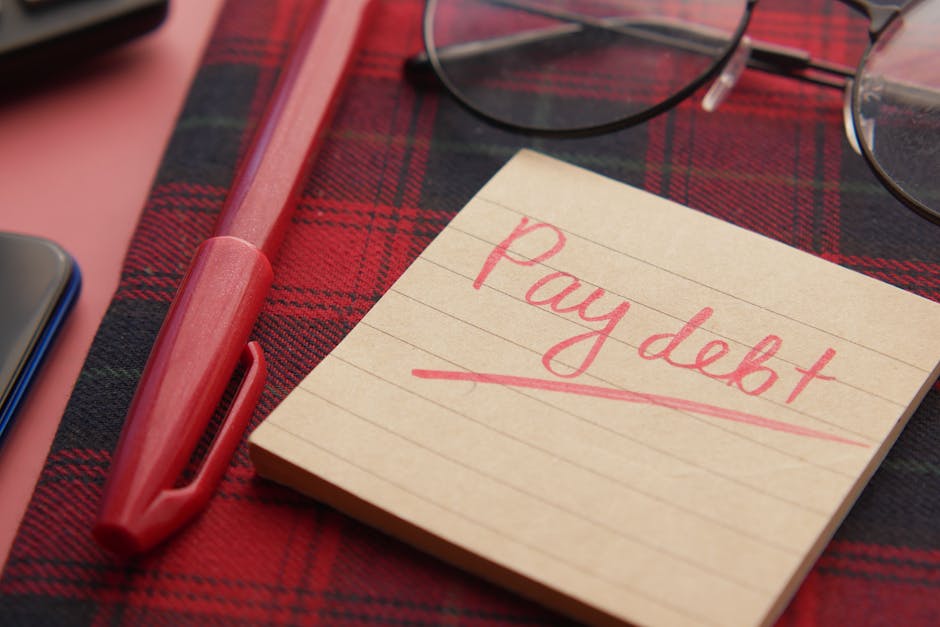
Debt consolidation combines multiple debts into a single loan with one monthly payment, potentially lowering your interest rate and simplifying repayment. It’s a legitimate strategy that works well for some people, but it’s not a one-size-fits-all solution. Whether it’s right for you depends on your financial situation, credit score, and long-term goals.
Understanding How Debt Consolidation Works
Debt consolidation involves taking out a new loan to pay off existing debts. Here’s the basic process:
You apply for a consolidation loan from a bank, credit union, or online lender. Once approved, the lender provides funds to pay off your existing debts completely. You then owe only the new consolidation loan, typically with a lower interest rate than your original debts combined.
The most common forms of consolidation include personal loans, home equity loans, and balance transfer credit cards. Personal loans are unsecured, meaning you don’t pledge any collateral. Home equity loans use your home as security, often providing lower rates but higher risk. Balance transfer cards may offer 0% introductory rates, though they typically last only 6-21 months.
The key advantage is mathematical: if your new interest rate is lower than your weighted average rate across all debts, you’ll save money over time. Additionally, having one payment instead of multiple payments simplifies your finances and can help you stay organized.
Key Benefits and Drawbacks to Consider
Benefits of Debt Consolidation:
- Lower Interest Rates: If you improve your credit score or qualify for better terms, consolidation can reduce your overall interest costs significantly.
- Simplified Payments: Managing one payment is easier than juggling multiple creditors, reducing the risk of missed payments.
- Fixed Payoff Timeline: Most consolidation loans have set terms, giving you a clear date when you’ll be debt-free.
- Improved Credit Utilization: Paying off credit card balances reduces your utilization ratio, potentially boosting your credit score.
- Faster Debt Repayment: Shorter loan terms mean you could eliminate debt faster if you commit to the plan.
Drawbacks to Evaluate:
- Risk of Deeper Debt: If you consolidate but continue using credit cards, you’ll accumulate new debt on top of your consolidation loan.
- Extended Payment Period: While lower monthly payments are attractive, stretching the loan term might mean paying more interest overall.
- Upfront Costs: Origination fees, balance transfer fees, or closing costs can add several hundred dollars to your loan.
- Collateral Risk: Home equity loans put your house at risk if you can’t make payments.
- Credit Score Impact: The hard inquiry and new account slightly lower your credit score initially, though it typically recovers within months.
Is Debt Consolidation Right for Your Situation?
Consolidation works best if you meet several criteria:
You’re a good candidate if: You have multiple high-interest debts (especially credit cards), a credit score above 650, stable income, and the discipline to avoid re-accumulating debt. You also need to see genuine interest savings after accounting for fees.
You should avoid consolidation if: Your credit score is very poor (making it hard to qualify for better rates), you’re unwilling to change spending habits, you’re facing bankruptcy, or you have unstable income. Also reconsider if consolidation extends your payoff timeline significantly without substantial savings.
A helpful approach is comparing your current debt situation with projected consolidation scenarios. Calculate your total interest paid under your current arrangement versus consolidation. Use a debt consolidation calculator to run different interest rates and terms, seeing how various options affect your timeline and costs.
How to Use Our Debt Consolidation Calculator
Making the right decision requires clear numbers. Our debt consolidation calculator helps you compare scenarios side-by-side.
Start by listing all your current debts with their balances, interest rates, and minimum payments. Enter your proposed consolidation loan details, including the new interest rate and loan term. The calculator shows your monthly payment, total interest paid, and payoff date under both scenarios.
Run multiple scenarios with different consolidation rates and terms to see the full picture. This transparency helps you decide whether consolidation genuinely saves money or simply masks the problem with lower payments. The goal is finding solutions that reduce your total debt burden, not just your monthly payment.
Frequently Asked Questions
Will debt consolidation hurt my credit score?
Yes, temporarily. When you apply for a consolidation loan, the lender performs a hard credit inquiry, which typically lowers your score by 5-10 points. Opening a new account also temporarily impacts your score. However, consolidation usually helps long-term because it reduces your credit utilization ratio and establishes a positive payment history. Most people see score recovery within 3-6 months, and substantial improvements within 12 months if they maintain on-time payments.
Can I consolidate secured and unsecured debts together?
It depends on the consolidation method. A personal loan (unsecured) can pay off credit cards and personal loans, but it won’t work for mortgage or car loans since lenders won’t provide unsecured funds to pay off secured debts. A home equity loan can consolidate most debts, but it converts unsecured debt into secured debt, putting your home at risk. Generally, consolidate debts of similar types unless you have a specific strategic reason otherwise.
What’s the difference between debt consolidation and debt settlement?
These are entirely different strategies. Consolidation combines debts under new terms while paying the full balance owed. Settlement involves negotiating with creditors to accept less than the full amount, typically 30-60% of the balance. Settlement significantly damages your credit and has tax implications on forgiven amounts. Consolidation is generally the better option if you can qualify and afford it, as it preserves your credit standing and doesn’t involve creditor negotiations.
Bottom Line: Debt consolidation can be an effective tool for the right person in the right situation. Before deciding, honestly assess your spending habits, compare numbers carefully, and ensure consolidation genuinely reduces your total debt burden rather than just masking the problem. If consolidation makes mathematical sense and you’re committed to avoiding new debt, it could accelerate your path to financial freedom.
- Nerd Wallet Premium Financial Tools — Complements debt consolidation content by offering free debt payoff calculators, loan comparison tools, and personalized debt consolidation recommendations
- LendingTree Loan Marketplace — Directly aligned with debt consolidation topic – helps users compare consolidation loan offers from multiple lenders in one place
- Amazon: Personal Finance and Debt Management Books — Educational resources that deepen reader understanding of debt consolidation strategies, financial planning, and decision-making before consolidating
Related reading: How CFPB Buy Now Pay Later Enforcement Actions Affect Consumers.
Related reading: Co-Signer Debt and Its Impact on Your Credit.
SPONSORED
AI-Powered Credit Monitoring & Repair
Franklin AI monitors your credit 24/7 and automatically disputes errors that may be dragging your score down. Start improving your credit today.
Start Free Trial →Affiliate partner — we may earn a commission at no cost to you.
SPONSORED
Split Purchases Into 4 Interest-Free Payments
Klarna lets you shop now and pay over time — no interest, no fees when you pay on time. Used by 150M+ shoppers worldwide.
Get the Klarna App →Affiliate partner — we may earn a commission at no cost to you.