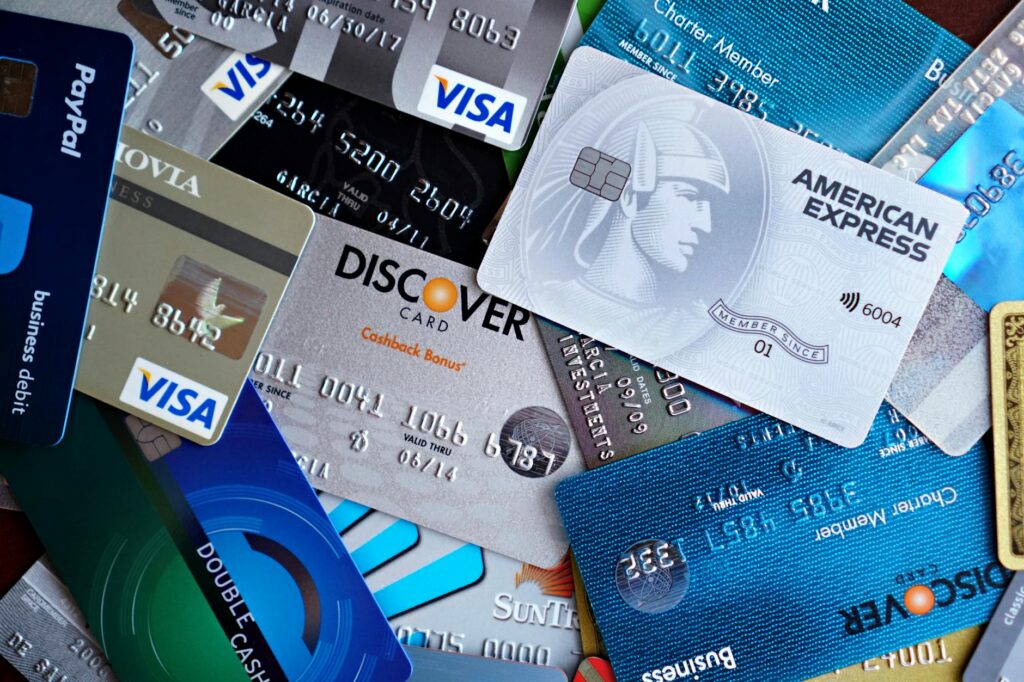
Credit card debt is one of the most common financial challenges facing Americans today. With the average credit card holder carrying over $6,000 in debt across multiple cards, finding an effective credit card payoff strategy has become essential for financial wellness. The good news is that with the right approach, clear goals, and the proper tools, you can eliminate your debt and regain control of your finances.
This comprehensive guide will walk you through everything you need to know about credit card payoff, from understanding your debt to choosing the best repayment strategy for your situation.
Understanding Your Credit Card Debt
Before you can effectively tackle your credit card payoff, you need to understand exactly what you’re dealing with. Start by gathering all your credit card statements and documenting three critical pieces of information for each card: the current balance, the annual percentage rate (APR), and the minimum monthly payment.
Most credit cards charge between 15% and 25% APR, though some cards for those with lower credit scores may charge 30% or higher. This interest compounds daily, meaning the longer you carry a balance, the more you’ll pay in total interest. For example, a $5,000 balance at 20% APR will cost you approximately $1,000 in interest charges over the course of one year if you only make minimum payments. Understanding this cost is often the wake-up call people need to commit to a payoff plan.
Take time to review your statements and understand why you accumulated this debt. Were there unexpected expenses, job loss, or overspending? Identifying the root cause will help you avoid repeating the same patterns once you’ve paid off your cards.
The Two Most Effective Credit Card Payoff Methods
Financial experts typically recommend two main approaches to credit card payoff, each with distinct advantages depending on your personality and financial situation.
The Debt Avalanche Method focuses on interest savings. With this approach, you make minimum payments on all cards but direct any extra money toward the card with the highest APR. This method mathematically eliminates debt fastest and saves the most money in interest—potentially hundreds or even thousands of dollars depending on your total debt. However, it requires discipline since you won’t see quick wins on individual cards.
The Debt Snowball Method prioritizes psychology over mathematics. You make minimum payments on all cards except the one with the smallest balance, which you attack aggressively. Once that card is paid off, you roll that payment amount into the next-smallest balance. This method is incredibly motivating because you eliminate cards quickly and see tangible progress, which helps many people stay committed to their payoff journey.
Research shows that while the avalanche method saves more money mathematically, the snowball method has a higher success rate because people are more likely to stick with a plan that delivers quick wins. Choose the method that aligns with what will keep you motivated long-term.
Creating Your Credit Card Payoff Budget
Your budget is the foundation of your credit card payoff plan. Start by calculating your total monthly income and subtracting your essential expenses: housing, utilities, food, transportation, insurance, and minimum debt payments. The remaining amount is what you have available to accelerate your payoff.
If this number seems small, don’t be discouraged. Even an extra $50 or $100 per month toward credit card payoff makes a real difference. For instance, paying an additional $50 monthly toward a $3,000 balance at 18% APR reduces your payoff timeline from 95 months to approximately 58 months—saving you nearly $1,500 in interest charges.
Consider finding areas in your budget where you can cut back temporarily while you focus on debt elimination. This might include dining out less frequently, canceling unused subscriptions, reducing entertainment expenses, or postponing non-essential purchases. Every dollar redirected toward your credit card payoff accelerates your journey to financial freedom.
Strategies to Accelerate Your Credit Card Payoff
Beyond choosing a payoff method and adjusting your budget, several strategies can help you become debt-free faster.
Balance transfer cards offer 0% APR for a promotional period—typically 6 to 21 months depending on the card. If you qualify, transferring your balance to a 0% card allows every dollar of your payment to go toward principal rather than interest. However, watch for transfer fees (usually 3% to 5% of the balance transferred) and make sure you can pay off the balance before the promotional period ends.
Debt consolidation loans allow you to combine multiple credit card balances into one loan with a fixed interest rate. If your credit score is reasonable, a personal consolidation loan often carries a lower APR than your credit cards, reducing the total interest you’ll pay. Additionally, having one payment instead of multiple payments simplifies your financial life.
Increasing your income is one of the most powerful credit card payoff accelerators. Consider side hustles like freelancing, gig work, or selling items you no longer need. Even an extra $200 to $400 monthly from a side project can cut years off your payoff timeline.
Negotiating lower interest rates is often overlooked but surprisingly effective. Call your credit card issuer and ask if they’ll lower your APR. If you have a good payment history and decent credit score, many issuers will reduce your rate by 2% to 5%, which directly reduces the interest you pay.
Tracking Progress and Staying Motivated
Paying off credit card debt is a marathon, not a sprint. Most people take anywhere from 6 months to 5 years to eliminate their debt, depending on the total amount and their payoff strategy. Staying motivated throughout this journey requires tracking your progress visually.
Create a spreadsheet or use our free debt payoff calculator to monitor your declining balance. Many people find it helpful to update their progress monthly and celebrate milestones—like eliminating the first card or reaching the halfway point on their total debt.
Additionally, avoid accumulating new debt while you’re paying off existing balances. This is critical. If you continue to charge on your cards while trying to pay them down, you’re working against yourself. Consider removing your cards from your wallet or temporarily freezing them to prevent temptation.
Frequently Asked Questions
How long does it typically take to pay off credit card debt?
The timeline depends on your total debt, interest rates, and monthly payment amount. Using a debt payoff calculator, you can determine your exact timeline, but generally, aggressive payoff plans take 2 to 4 years for moderate debt levels ($5,000 to $15,000). The key is committing to consistent payments rather than minimum payments.
Will paying off credit card debt improve my credit score?
Yes, paying down credit card balances significantly improves your credit score. Credit utilization—the percentage of your available credit you’re using—accounts for 30% of your credit score. Lowering your balances reduces utilization and boosts your score, often by 50 to 100 points depending on your starting point.
Should I close my credit cards after paying them off?
Generally, no. Closing credit cards actually lowers your credit score because it reduces your available credit and increases your utilization ratio on remaining cards. Instead, keep the accounts open with zero balances and use them occasionally for small purchases you can pay off immediately.
What if I can’t afford to pay more than the minimum?
If minimum payments are all you can manage, focus on increasing your income or reducing essential expenses to free up more money. Even small increases compound significantly over time. Additionally, explore debt consolidation options or speak with a nonprofit credit counselor who can negotiate with creditors on your behalf.
Is it better to pay off one card at a time or spread payments across all cards?
Make minimum payments on all cards, then put extra money toward one card using either the avalanche or snowball method. This approach preserves your credit utilization across accounts while accelerating payoff on your target card. Spreading extra payments thinly across all cards typically extends your payoff timeline unnecessarily.
Use Our Free Debt Payoff Calculator
Stop guessing about your credit card payoff timeline and get precise numbers today. Head to debtcalcpro.com and use our free debt payoff calculator to see exactly how long it will take you to become debt-free, how much interest you’ll pay with your current strategy, and how much you’ll save by increasing your monthly payments by just $50 or $100.
Our calculator provides specific dollar amounts, month-by-month breakdowns, and side-by-side comparisons of different payoff scenarios. You’ll gain clarity on whether the avalanche or snowball method works better for your situation, and you’ll discover exactly how much you can save by negotiating a lower interest rate or pursuing a balance transfer. Take action right now and transform your credit card payoff plan from vague hope into concrete, achievable reality.
Conclusion
Credit card payoff is achievable for anyone willing to commit to a structured plan. Whether you choose the avalanche method for maximum interest savings or the snowball method for quick psychological wins, the important thing is taking action today. By understanding your debt, creating a realistic budget, and using proven payoff strategies, you can eliminate your credit card balances and build lasting financial health. Your future debt-free self will thank you for the sacrifice and discipline you invest today.
- YNAB (You Need A Budget) - Personal Finance Software — Budget tracking and debt management software directly helps readers implement payoff strategies and monitor progress toward becoming debt-free
- Credit Karma - Free Credit Monitoring & Reporting — Helps users monitor credit scores and understand credit reports while paying off debt, essential for tracking financial improvement
- The Total Money Makeover by Dave Ramsey — Bestselling book that provides comprehensive debt payoff methodology (debt snowball) complementary to the guide's content
SPONSORED
AI-Powered Credit Monitoring & Repair
Franklin AI monitors your credit 24/7 and automatically disputes errors that may be dragging your score down. Start improving your credit today.
Start Free Trial →Affiliate partner — we may earn a commission at no cost to you.
SPONSORED
Split Purchases Into 4 Interest-Free Payments
Klarna lets you shop now and pay over time — no interest, no fees when you pay on time. Used by 150M+ shoppers worldwide.
Get the Klarna App →Affiliate partner — we may earn a commission at no cost to you.