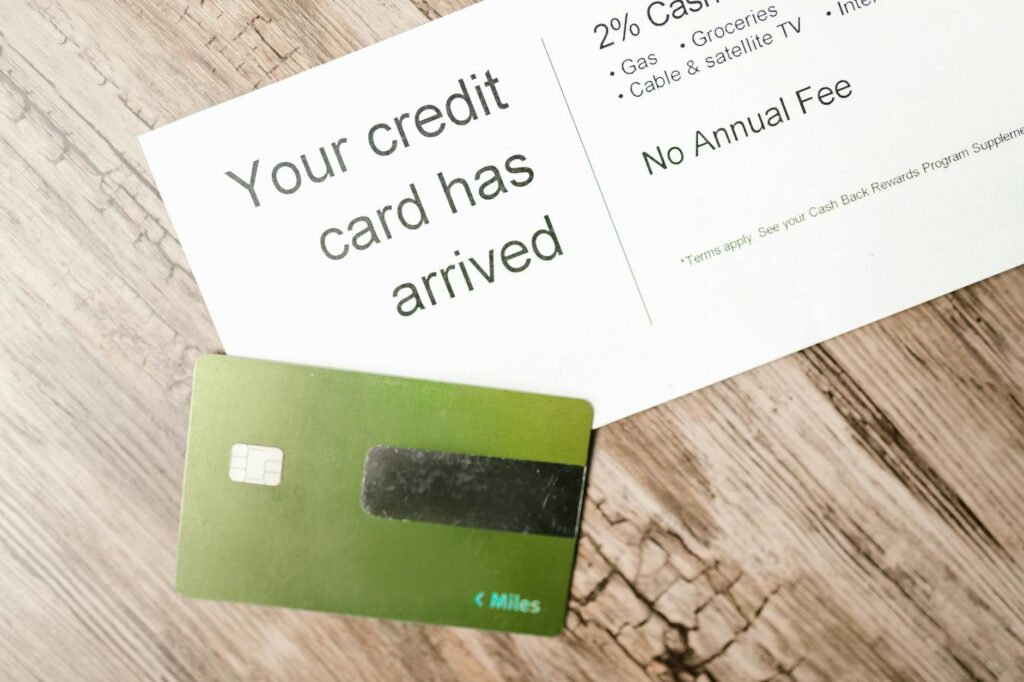
The short answer: paying off high-interest debt almost always makes more financial sense than chasing credit card rewards. While rewards programs can offer value, the interest you’re paying on existing debt typically far outpaces any rewards you’ll earn. Let’s explore when rewards make sense and when debt payoff should be your priority.
Understanding the Math Behind Rewards vs Interest
Credit card rewards sound attractive—1% back on purchases, 2% on groceries, 5% on travel. But here’s the reality: if you’re carrying a balance with interest rates between 18-25%, you’re losing money far faster than rewards can compensate.
Let’s use a concrete example. Say you have a $5,000 credit card balance at 20% APR. You’re paying approximately $100 per month in interest alone. Even if you earn 2% rewards on all purchases, you’d need to spend an additional $5,000 monthly just to earn $100 back—which only breaks even with your interest charges.
The mathematical reality is this: interest rates almost always exceed rewards rates. Average credit card APR hovers around 21%, while even the best rewards cards rarely exceed 5% cash back. This creates a losing proposition where debt grows faster than rewards accumulate.
Additionally, carrying a balance negatively impacts your credit score, which can increase interest rates on all your debt and cost you thousands over time. The invisible cost of debt extends far beyond the interest charges themselves.
When Rewards Actually Make Sense
There are specific scenarios where credit card rewards deserve your attention:
Zero-Balance Situation: If you’ve paid off your current balance completely and can do so monthly, rewards cards become legitimate tools. You’re not paying interest, so any rewards are pure gains. A 2% cash back card on $2,000 monthly spending earns you $480 annually with zero interest cost.
Low-Interest Promotional Periods: Some cards offer 0% APR for 6-12 months. If you can pay off the balance during this period while using a rewards card, you pocket the rewards without interest penalties. This requires discipline and a solid payoff plan.
Strategic Spending with Intention: If you’re already planning to make large purchases (travel, appliances), using a rewards card you’ll pay off immediately makes sense. The rewards then represent genuine savings on planned expenses.
Business Expense Separation: Business owners can benefit from rewards on legitimate business expenses, especially if those cards have 0% APR or low rates and the owner pays them monthly.
The key distinction: rewards only work when you’re not paying interest. The moment you carry a balance, you’ve lost the rewards game.
The Psychological Power of Debt Elimination
Beyond mathematics, paying off debt offers psychological benefits that rewards can’t match. The debt payoff journey creates momentum—often called the “snowball effect” when you eliminate smaller debts first, building confidence and motivation.
Financial stress is one of the leading causes of anxiety and relationship problems. Reducing debt directly reduces this stress. Carrying $10,000 in debt at 20% interest means you’re literally paying every single day for past purchases, which creates a constant psychological weight.
Furthermore, becoming debt-free opens financial opportunities. Once you eliminate credit card debt, you can redirect those monthly payments toward savings, investments, or emergency funds. A $300 monthly credit card payment becomes $300 monthly retirement contribution—that’s the real wealth-building power.
People who focus on debt elimination first also tend to develop better spending habits. The awareness required to pay off debt creates financial consciousness that prevents future debt accumulation. This behavioral shift is worth far more than any rewards program.
How to Use the Calculator
Understanding your specific debt situation is crucial. Use our credit card payoff calculator to see exactly how long your debt will take to eliminate and how much interest you’ll pay. This tool lets you model different payment amounts and strategies, revealing the true cost of carrying a balance and the impact of accelerated payments.
By inputting your current balance, interest rate, and monthly payment, you’ll get a clear timeline to becoming debt-free. Many users are shocked at how quickly debt disappears with slightly increased payments—motivation to skip those rewards and focus on elimination.
Frequently Asked Questions
Can I earn rewards while paying off debt?
Technically yes, but it’s counterproductive. If you’re paying 20% interest while earning 2% rewards, you’re netting a 18% loss. Only use rewards cards while carrying debt if the card has 0% APR and you have a specific payoff timeline. Otherwise, use a basic card without temptation features and focus entirely on debt elimination.
What if my credit card has a low interest rate?
If you have a card with 8-10% APR and can reliably pay it off monthly while earning 2% rewards, the math works slightly better in rewards’ favor. However, most people who carry debt do so because they struggle with monthly payments. If that’s your situation, prioritize payoff regardless of interest rate.
Should I switch to a 0% APR card to earn rewards?
A 0% APR balance transfer card makes sense specifically for the interest savings, not rewards. If you transfer $5,000 at 0% for 12 months instead of paying 20% interest, you save $1,000. Any rewards earned are a bonus, but don’t apply for the card primarily for rewards—apply for the 0% period. Understand the transfer fee (typically 3%) and ensure you can pay the balance before the promotional rate expires.
Bottom Line: Credit card rewards are a luxury for people without debt. If you’re carrying a balance, every dollar should focus on elimination. Once you’re debt-free, then leverage rewards strategically. The path to real wealth isn’t through accumulating reward points—it’s through eliminating debt and building savings. Start your debt payoff journey today, and you’ll gain far more than any rewards program could ever offer.
- YNAB (You Need A Budget) — Debt payoff requires strategic budgeting and expense tracking. YNAB specializes in helping users allocate income to debt repayment and financial goals, making it the perfect companion tool for readers focused on eliminating debt rather than chasing rewards.
- Debt Payoff Planner & Calculator Software — Readers actively working to pay off debt benefit from dedicated calculation tools that compare payoff strategies (snowball vs avalanche methods), showing how much interest they’ll save—directly supporting the post’s core message.
- The Total Money Makeover by Dave Ramsey — This bestselling guide focuses on aggressive debt elimination over rewards optimization, aligning perfectly with the post’s conclusion that debt payoff wins. Ideal for readers seeking deeper financial strategy.
Related: HELOC vs Credit Card: Which Should You Use for Expenses
SPONSORED
AI-Powered Credit Monitoring & Repair
Franklin AI monitors your credit 24/7 and automatically disputes errors that may be dragging your score down. Start improving your credit today.
Start Free Trial →Affiliate partner — we may earn a commission at no cost to you.
SPONSORED
Split Purchases Into 4 Interest-Free Payments
Klarna lets you shop now and pay over time — no interest, no fees when you pay on time. Used by 150M+ shoppers worldwide.
Get the Klarna App →Affiliate partner — we may earn a commission at no cost to you.