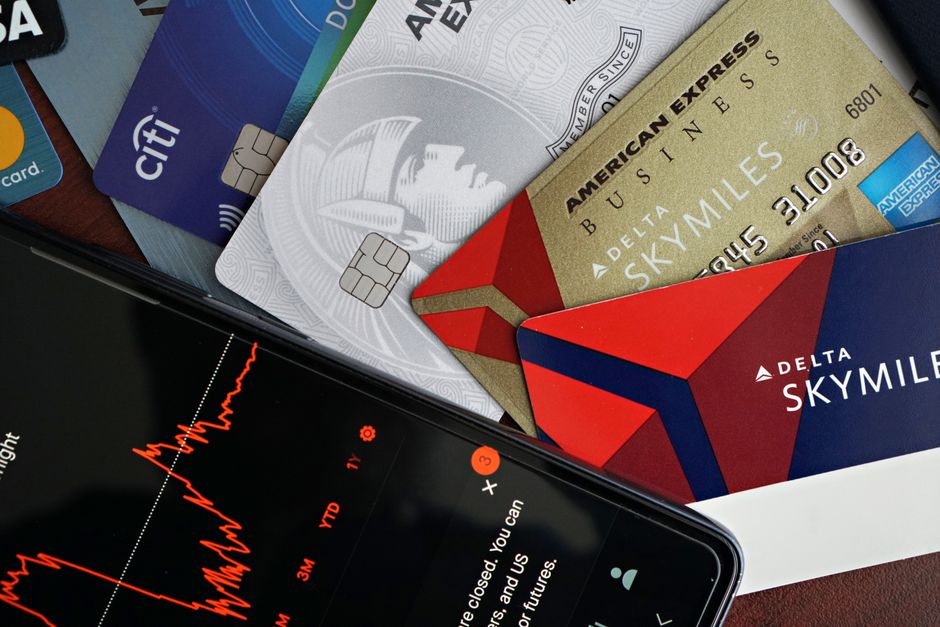
A credit card is a borrowing tool that lets you purchase now and pay later with interest, while a debit card draws directly from your bank account. Credit cards build credit history but carry debt risk, whereas debit cards offer spending control without debt accumulation or interest charges. (Related: How to Compare HELOC and Home Equity Loan Rates: A Rate Shopping Guide for Debt Management) (Related: The Complete Guide to Minimum Payments Debt: What It Really Costs in 2026) (Related: 7 Proven Bankruptcy Alternatives: Options Before Filing Chapter 7 or 13 in 2026) (Related: How Rising HELOC and Home Equity Loan Rates Affect Your Debt Strategy in 2026) (Related: Personal Loan Payoff Calculator: Crush Debt Faster in 2025) (Related: Credit Card Payoff: The Complete Guide to Eliminating Debt Faster)
Credit Card vs Debit Card: Key Differences
What is the difference between a credit card and a debit card?
At its core, the difference comes down to one word: debt. When you swipe a debit card, money leaves your checking account immediately. When you use a credit card, you’re borrowing from a lender up to a set limit, with repayment due at the end of your billing cycle.
Here are the five essential differences you need to understand in 2026:
- Source of funds: Debit cards use your existing money; credit cards use borrowed money.
- Interest charges: Debit cards carry zero interest. Credit card interest rates typically range from 20% to 30% APR, according to CFPB consumer credit data.
- Credit building: Credit cards report payment history to bureaus, helping (or hurting) your credit score. Debit activity is not reported.
- Fraud protection: Federal law limits credit card fraud liability to $50, and most issuers offer $0 liability. Debit card protections exist but disputed funds leave your account immediately during investigation.
- Debt risk: Debit cards cannot create debt beyond your balance. Credit cards can trap you in a cycle of revolving debt if not managed carefully.
Understanding how credit cards work is critical before choosing one. When you carry a balance month-to-month, your issuer applies interest to the remaining amount, which compounds and grows quickly at high APRs.
There are also many types of credit cards to consider: rewards cards, balance transfer cards, secured cards for credit building, and low-interest cards. Each serves a different financial goal and carries different risk profiles. Choosing the wrong type can accelerate debt rather than help manage it.
How Credit Cards Affect Your Debt
Credit cards are one of the leading sources of consumer debt in the United States. The revolving nature of credit card balances means interest compounds each billing cycle, making small balances grow significantly over time if you only pay the minimum.
Consider this scenario: a $3,000 balance at 24% APR with minimum payments could take over five years to repay and cost nearly double in total interest. This is why credit card debt management starts with understanding exactly how much your debt is costing you each month.
According to the Consumer Financial Protection Bureau, consumers often underestimate the true cost of carrying credit card balances because the minimum payment structure is designed to extend repayment timelines — and maximize interest collected by issuers.
Key factors that influence how credit card debt grows:
- APR (Annual Percentage Rate): The higher your rate, the faster your balance grows when carrying debt.
- Minimum payment traps: Paying only the minimum dramatically extends your repayment timeline.
- Credit utilization: Using more than 30% of your credit limit can lower your credit score, making future borrowing more expensive.
- Balance transfers: Moving high-interest balances to a lower-rate card can reduce interest costs, but only works with a disciplined payoff plan.
Debit card benefits shine here. Because debit spending is limited to available funds, there is no risk of accumulating interest-bearing debt. For people rebuilding financial health, debit cards offer a valuable spending guardrail while working down existing credit balances.
Managing Credit Card Debt Effectively
Effective credit card debt management requires a structured approach. Two of the most widely recognized strategies are the avalanche method and the snowball method.
The Avalanche Method: Pay minimums on all cards, then direct extra funds toward the card with the highest interest rate. This minimizes total interest paid over time.
The Snowball Method: Pay minimums on all cards, then attack the smallest balance first. This builds psychological momentum as accounts are closed out faster.
Both methods work. The right choice depends on whether you’re more motivated by math savings (avalanche) or visible progress (snowball). Research consistently shows that sticking to a plan — any plan — matters more than choosing the “perfect” strategy.
Additional steps to take control:
- Stop adding new charges to cards you’re actively paying down.
- Set up autopay for at least the minimum to protect your credit score.
- Review your credit card interest rates and request a rate reduction if you have a strong payment history.
- Consider consolidating multiple balances into a single lower-interest personal loan or balance transfer card.
- Build a small emergency fund (even $500–$1,000) so unexpected expenses don’t push new charges onto paid-down cards.
Use our debt payoff calculator to model the avalanche or snowball method on your actual balances and see your exact payoff date before committing to a plan.
Credit Card Tools and Calculators
How can I use a credit card calculator to manage my debt?
A credit card calculator takes the guesswork out of repayment planning. By entering your balance, interest rate, and monthly payment amount, you get a precise projection of your payoff timeline and total interest cost.
Here’s how to use one effectively:
- Gather your most recent statement for each card — balance, APR, and minimum payment.
- Enter your current balance and interest rate into the calculator.
- Try different monthly payment amounts to see how extra payments shorten your timeline and reduce interest paid.
- Compare the cost of paying only the minimum versus a fixed accelerated payment.
- Use results to set a realistic monthly budget target that aligns with your income.
Our credit card payoff calculator lets you model multiple scenarios instantly, giving you a data-backed plan rather than guesswork. Small increases in monthly payment — even $25–$50 more — can cut months off your repayment timeline and save hundreds in interest.
Frequently Asked Questions
Is it better to use a credit card or debit card for everyday purchases?
For everyday purchases, credit cards often offer better fraud protection and rewards — but only if you pay the full balance each month. If you carry a balance, debit card benefits outweigh credit card perks because you avoid interest charges entirely. The best choice depends on your spending discipline and current debt situation.
What credit card interest rate is considered high?
Any rate above 20% APR is considered high in today’s environment. Many retail and store cards charge 25%–30% APR. If your card’s rate exceeds 20%, prioritize paying that balance aggressively or explore a balance transfer to a lower-rate option. You can check current average rates through CFPB consumer credit trend reports.
Can
Recommended Resources:- Credit Karma Premium – Credit Monitoring Service — Directly complements the post’s focus on credit cards and building credit history. Users reading about credit vs debit cards benefit from credit monitoring and score tracking.
- Amazon – Personal Finance Books Bundle — Readers learning about financial management tools will benefit from educational resources on credit management and debt avoidance strategies.
- Bankrate – Bank Account Comparison Tool — Naturally aligns with debit card content; helps readers find checking/savings accounts with low fees that pair well with debit card usage decisions.
- Credit Karma Premium – Credit Monitoring Service — Directly complements the post’s focus on credit cards and building credit history. Users reading about credit vs debit cards benefit from credit monitoring and score tracking.
- Amazon – Personal Finance Books Bundle — Readers learning about financial management tools will benefit from educational resources on credit management and debt avoidance strategies.
- Bankrate – Bank Account Comparison Tool — Naturally aligns with debit card content; helps readers find checking/savings accounts with low fees that pair well with debit card usage decisions.
See also: Credit Counseling vs Debt Settlement: Complete 2026 Guide
See also: The Complete Debt Management Plan Guide: How It Works and Who Should Use It in 2026
Related: Credit Card Churning and Your Credit Score: 5 Essential Risks to Know in 2026
SPONSORED
AI-Powered Credit Monitoring & Repair
Franklin AI monitors your credit 24/7 and automatically disputes errors that may be dragging your score down. Start improving your credit today.
Start Free Trial →Affiliate partner — we may earn a commission at no cost to you.
SPONSORED
Split Purchases Into 4 Interest-Free Payments
Klarna lets you shop now and pay over time — no interest, no fees when you pay on time. Used by 150M+ shoppers worldwide.
Get the Klarna App →Affiliate partner — we may earn a commission at no cost to you.