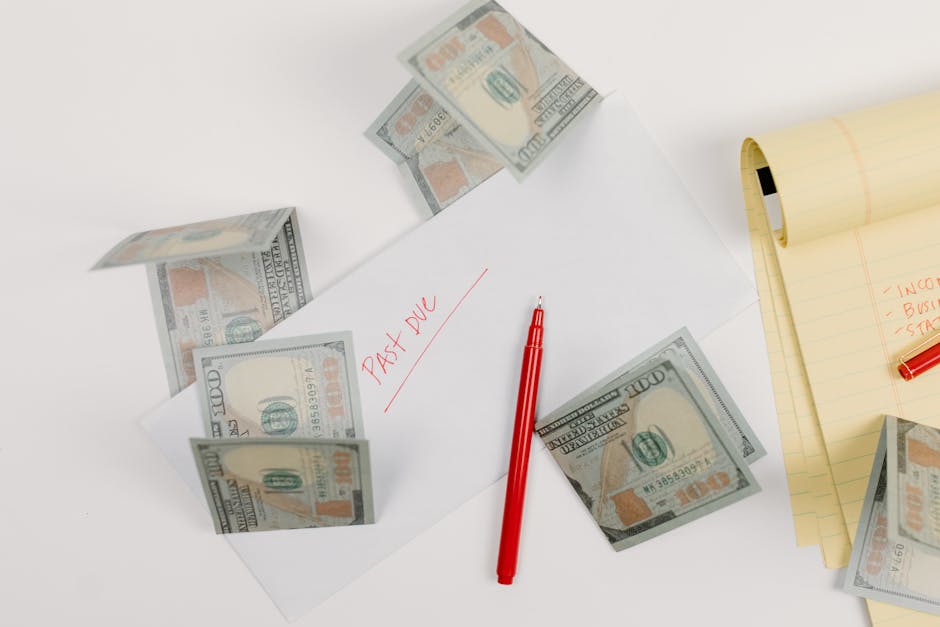
The Envelope Budgeting Method: Old School Way That Works
The envelope budgeting method is a proven cash-based system where you allocate money into physical envelopes for different spending categories, making it impossible to overspend. This tactile approach forces discipline and awareness, helping you control expenses and reach financial goals faster than digital-only methods. Whether you’re struggling with debt or simply want better spending habits, the envelope system delivers results that have worked for generations.
Understanding the Envelope Budgeting System
The envelope method is straightforward yet powerful: you determine your spending categories, withdraw cash from your bank account, and divide it into labeled envelopes representing groceries, entertainment, utilities, transportation, and other expenses. Once an envelope is empty, you stop spending in that category until the next budget period.
This system works because it creates an immediate, visual connection between money and spending. Unlike swiping a credit card, handing over physical cash makes you feel the loss, triggering psychological resistance to unnecessary purchases. You can’t spend money that isn’t there, eliminating overdraft fees and credit card debt accumulation.
The method particularly benefits people who struggle with impulse buying or digital spending tracking. It’s especially effective for households managing tight budgets, those recovering from debt, or anyone who finds traditional budgeting apps confusing or ineffective. The tactile nature of handling physical money creates accountability in ways that numbers on a screen simply cannot match.
Step-by-Step Implementation Guide
Step 1: List Your Spending Categories
Start by identifying how you spend money. Common categories include housing, groceries, utilities, transportation, insurance, entertainment, dining out, personal care, and emergency savings. Be honest about where your money actually goes, not where you think it should go. Review bank and credit card statements from the last three months for accurate figures.
Step 2: Calculate Your Envelope Amounts
Determine how much money to allocate to each envelope based on your income and historical spending. If you earn $3,000 monthly after taxes and your groceries typically cost $400, allocate $400 to the grocery envelope. Fixed expenses like rent or mortgage get their own envelopes too, though some people prefer handling these separately since they’re predetermined.
Step 3: Withdraw Cash and Fill Envelopes
Once monthly, withdraw your total budgeted amount from your bank account and distribute it into labeled envelopes. This ritual reinforces your commitment and provides a clear snapshot of your financial situation. Some people use actual envelopes, while others prefer specialized envelope wallets or binders designed for this system.
Step 4: Spend Only What’s in Each Envelope
When you need groceries, take only the grocery envelope. When it’s empty, you’re done until next month. This creates natural spending boundaries without requiring willpower or complex calculations at checkout.
Step 5: Track and Adjust
At month’s end, review which envelopes stayed on budget and which ran short. Use this data to adjust amounts for the following month. If your grocery envelope consistently empties early, increase it. If your entertainment envelope never gets spent, reduce it and redirect those funds to savings or debt payoff.
Benefits and Advantages of Cash Envelopes
Eliminates Overspending
The envelope method’s greatest strength is preventing overspending. You literally cannot spend more than you’ve allocated. This eliminates overdraft fees, high-interest credit card debt, and the financial stress that accompanies living beyond your means.
Builds Financial Awareness
Handling physical cash makes you intimately aware of where your money goes. You become conscious of small purchases that add up. Many people report that using envelopes makes them more deliberate shoppers, comparing prices and questioning whether they really need items before purchasing.
Simplifies Budgeting
Unlike complex spreadsheets or budgeting software, the envelope system requires minimal tracking. You see instantly whether you’re on budget by looking at what’s left in each envelope. This simplicity appeals to people who find traditional budgeting overwhelming.
Reduces Financial Stress
Uncertainty about money causes significant stress. The envelope method eliminates guessing about whether you can afford something. You know exactly what you can spend in each category, reducing anxiety and decision fatigue.
Accelerates Debt Payoff
By controlling discretionary spending through the envelope system, you free up more money for debt repayment. The discipline it instills helps you prioritize financial goals and resist temptation spending that derails debt reduction plans.
How to Use the Budget Calculator
To streamline your envelope budgeting system, try our budget calculator to determine exact amounts for each envelope based on your income and expenses. This calculator helps you organize your spending categories and allocate funds strategically, ensuring your envelope amounts align with your financial goals. Simply input your monthly income and expenses, and the calculator will show you how much to put in each envelope and how much remains for savings or debt payoff.
Frequently Asked Questions
What if I need more money in one envelope before the month ends?
You have a few options: you can transfer money from an envelope with surplus funds, skip a discretionary category that month, or wait until the next budgeting period. Some people maintain a small emergency envelope for genuine unexpected expenses, though this defeats part of the system’s purpose. The key is making intentional choices rather than automatically overspending.
Is the envelope method safe for carrying large amounts of cash?
While carrying significant cash does pose security risks, most envelope users only carry one or two envelopes when shopping, leaving others at home. You can also adjust the system by keeping most cash at home and transferring small amounts to your wallet as needed. Some people use a modified system where they track cash spending on paper and withdraw small amounts frequently rather than all at once.
Can I use the envelope method with a debit card?
Technically yes, though it loses much of its effectiveness. You could track debit card spending against imaginary envelopes, but the psychological benefit of handling physical money disappears. If you must use cards, link each to a separate sub-account and set transfer limits equal to your envelope amounts, forcing yourself to stop spending when that account depletes.
Conclusion: The envelope budgeting method proves that sometimes the oldest solutions work best. In our digital age, this tangible approach cuts through financial complexity and builds the spending discipline needed to achieve your goals. Whether you’re eliminating debt, building savings, or simply gaining control of your finances, the envelope system offers a proven, simple path forward.
- Cash Envelope System Organizer — Directly supports the envelope budgeting method by providing physical organizers to sort and manage cash allocations by spending category
- Digital Budget Planning Software (YNAB – You Need A Budget) — Offers a digital alternative or complement to envelope budgeting for readers wanting to track their envelope-based budget electronically
- Money Counter Machine — Helps readers efficiently count and organize cash before distributing it into envelopes for different budget categories
Related: How to Create a Zero-Based Budget That Actually Works
SPONSORED
AI-Powered Credit Monitoring & Repair
Franklin AI monitors your credit 24/7 and automatically disputes errors that may be dragging your score down. Start improving your credit today.
Start Free Trial →Affiliate partner — we may earn a commission at no cost to you.
SPONSORED
Split Purchases Into 4 Interest-Free Payments
Klarna lets you shop now and pay over time — no interest, no fees when you pay on time. Used by 150M+ shoppers worldwide.
Get the Klarna App →Affiliate partner — we may earn a commission at no cost to you.