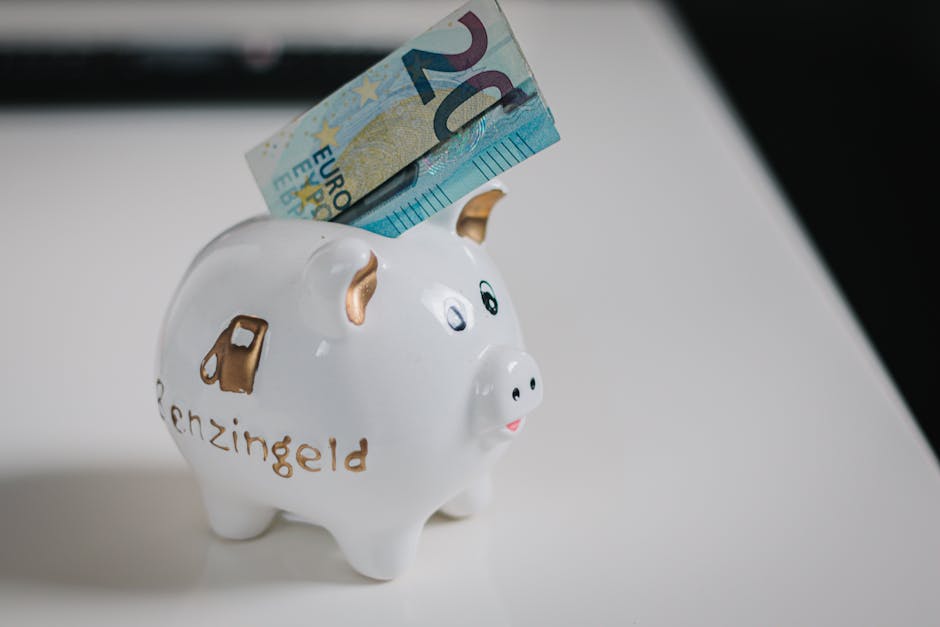
A 6-month emergency fund provides financial security by covering your essential expenses if you lose income or face unexpected costs. Building this safety net requires a strategic approach combining budgeting, savings automation, and realistic timelines. This guide walks you through each step to establish a solid financial cushion.
Calculate Your Target Emergency Fund Amount
The first step is determining exactly how much you need to save. Your emergency fund should cover three to six months of living expenses—meaning rent, utilities, groceries, insurance, and other essential costs.
Start by listing all monthly expenses. Include housing payments, insurance premiums, food, transportation, and debt minimum payments. Skip discretionary spending like entertainment and dining out. Most people find their essential monthly expenses range from $2,000 to $5,000.
Multiply your monthly essential expenses by six. If you spend $3,000 monthly on necessities, your target emergency fund is $18,000. This might seem daunting, but you don’t need to save it overnight. Breaking this into smaller milestones makes the goal manageable and keeps you motivated.
Consider your job security when setting your specific target. If you work in a volatile industry or are self-employed, aim for six months. If your employment is stable, three to four months may suffice. Adjust based on your situation and risk tolerance.
Create a Dedicated Savings Account and Automate Deposits
Keeping emergency funds in your regular checking account creates temptation to spend them. Open a separate high-yield savings account specifically for your emergency fund. This physical separation reinforces that this money is off-limits except for true emergencies.
High-yield savings accounts currently offer 4-5% annual interest, meaning your money grows while you save. Choose a bank without monthly maintenance fees and one that allows easy transfers when you actually need funds.
Automation is your secret weapon for consistent saving. Set up automatic transfers from your checking account to your emergency fund on payday—typically the day after you receive income. Even $50 or $100 weekly compounds significantly over time. You’ll be less tempted to skip savings if the money moves automatically before you see it.
If your employer offers direct deposit, ask if you can split your paycheck between accounts. This sends portions directly to your emergency fund without any effort on your part. Automating your savings removes willpower from the equation and guarantees steady progress toward your goal.
Accelerate Savings Through Strategic Budget Cuts and Extra Income
Building a 6-month emergency fund typically takes 1-3 years depending on how aggressively you save. You can accelerate this timeline by finding money in your budget or earning extra income.
Review your monthly expenses for cuts. Reduce subscription services you rarely use, lower insurance premiums by shopping around, cut restaurant spending, or reduce utility costs through conservation. Small cuts of $100-200 monthly add up to $1,200-2,400 yearly.
Consider increasing income through a side hustle. Freelance work, part-time jobs, or gig economy opportunities can generate additional savings. Even earning an extra $300 monthly contributes $3,600 annually to your emergency fund. The key is directing all extra income toward savings, not increasing your lifestyle spending.
When you receive bonuses, tax refunds, or unexpected windfalls, deposit at least 50% into your emergency fund. These lump sums dramatically accelerate your progress. As you pay off debts, redirect those monthly payments toward emergency savings.
How to Use the Emergency Fund Calculator
Use our Emergency Fund Calculator to determine your exact target amount and visualize your savings timeline. Enter your monthly essential expenses, your target fund size, and your planned monthly contribution. The calculator shows how many months until you reach your goal and displays a savings projection chart. This tool helps you adjust your contribution amount to hit specific deadlines.
Frequently Asked Questions
What counts as an emergency that justifies tapping your emergency fund?
True emergencies are unexpected, necessary expenses that threaten your financial stability. Examples include job loss, major medical expenses not covered by insurance, emergency home or car repairs, or urgent travel for a family crisis. Don’t use your emergency fund for vacations, holiday gifts, or planned expenses you should budget for separately. The test: would this expense create serious financial hardship if you didn’t have emergency savings? If yes, it qualifies.
Should I prioritize emergency fund savings or debt payoff?
Build a starter emergency fund of $1,000-1,500 first, then aggressively pay high-interest debt while contributing modestly to emergency savings. Once debt is eliminated, focus entirely on reaching your full 6-month goal. This strategy prevents you from derailing debt payoff if an emergency occurs while protecting you from taking on more debt.
Where should I keep my emergency fund?
Keep emergency funds in a high-yield savings account, money market account, or short-term CD. Avoid checking accounts (too tempting to spend) and investments like stocks (too volatile for money you might need immediately). You need immediate access and stable value. Current rates of 4-5% provide reasonable growth while keeping funds safe and liquid.
- High-Yield Savings Account (Marcus by Goldman Sachs) — Emergency funds need safe, accessible storage with competitive interest rates. Marcus offers high APY on savings accounts, helping emergency funds grow faster while remaining liquid.
- YNAB (You Need A Budget) – Budgeting Software — The post emphasizes budgeting and savings automation as key strategies. YNAB helps users track spending and automate transfers to their emergency fund systematically.
- Automatic Savings App (Qapital) — Automates savings contributions toward emergency funds through round-ups and recurring deposits, directly supporting the ‘savings automation’ strategy mentioned in the post.
Related: Emergency Fund: How Much Should You Really Save
SPONSORED
Split Purchases Into 4 Interest-Free Payments
Klarna lets you shop now and pay over time — no interest, no fees when you pay on time. Used by 150M+ shoppers worldwide.
Get the Klarna App →Affiliate partner — we may earn a commission at no cost to you.