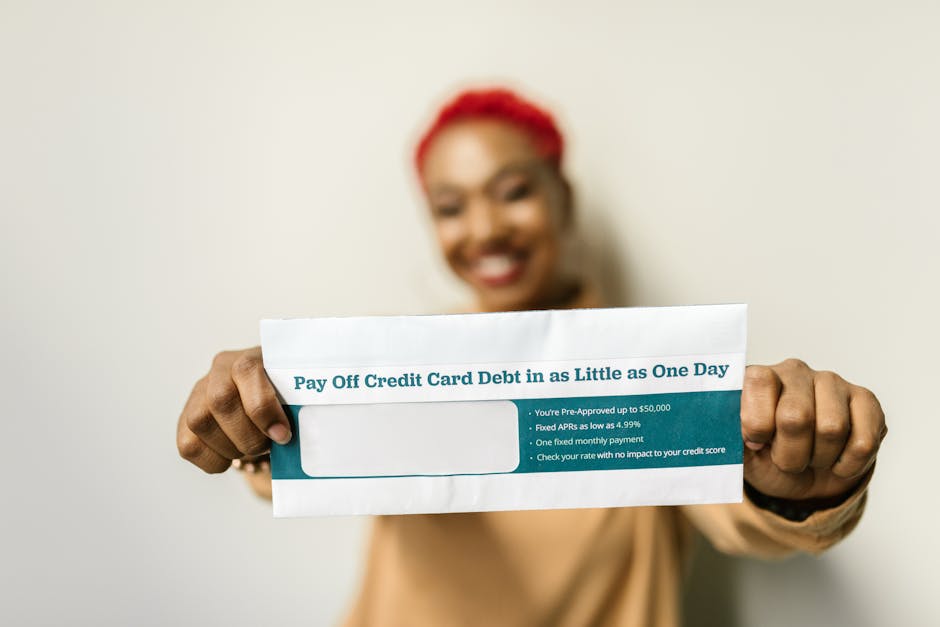
Payday loans are short-term, high-interest loans that often trap borrowers in endless debt cycles. The average payday loan carries an APR of 400% or higher, making them one of the most expensive forms of borrowing available. Understanding how these loans work and knowing your escape options is the first step toward financial freedom.
How Payday Loans Create a Debt Cycle
Payday loans are designed as quick fixes for emergency cash needs, but their structure almost guarantees repeat borrowing. Here’s how the trap works:
When you take out a payday loan, you typically borrow a small amount—often $300 to $500—and agree to repay it in full plus fees within two weeks when you receive your next paycheck. Sounds simple, right? The problem emerges when your next paycheck arrives and you discover you can’t afford both the loan repayment and your regular living expenses.
At this point, most borrowers “roll over” the loan, paying only the fees and extending the loan for another two weeks. Each rollover costs another $15 to $30 per $100 borrowed. A borrower who takes out a $300 loan with $45 in fees and rolls it over just five times ends up paying $225 in fees alone—75% of the original loan amount—without reducing the principal.
The Center for Responsible Lending reports that the average payday borrower remains trapped in debt for five months of the year. This cycle continues because the loan amount relative to the borrower’s income makes repayment impossible without sacrificing essential expenses.
Immediate Steps to Break Free from Payday Debt
Escaping the payday loan trap requires intentional action and sometimes difficult decisions. Here are proven strategies:
Stop borrowing immediately. The first and most critical step is to refuse new payday loans, even if you’re facing financial pressure. Each new loan extends the cycle. Instead, explore these alternatives when emergencies arise:
- Contact your lender and ask about extended payment plans. Some lenders offer payment arrangements that spread repayment over several weeks without additional fees.
- Reach out to local community assistance programs, nonprofits, and churches that provide emergency financial aid.
- Ask your employer about advances on your paycheck or emergency assistance programs.
- Consider a personal loan from a credit union, which typically offers much lower rates than payday lenders.
Create a debt payoff plan. Calculate exactly what you owe, including all fees and interest. Write down each loan with the principal amount, fees, and total cost. This clarity helps you develop a realistic repayment strategy. Prioritize paying off payday loans first due to their astronomical interest rates—every dollar you throw at these loans saves you the most money compared to other debts.
Negotiate with your lender. Many payday lenders prefer working out payment arrangements rather than losing borrowers to default. Call and explain your situation honestly. Request a payment plan that allows you to pay the principal and reasonable fees without rolling over the loan.
Seek help from a credit counselor. Nonprofit credit counseling agencies offer free or low-cost guidance. A credit counselor can help you negotiate with lenders, develop a budget, and create a realistic debt management plan. These organizations have established relationships with lenders and often achieve better outcomes than borrowers can alone.
Long-Term Solutions and Prevention Strategies
Breaking free from payday loans is just the beginning. Preventing future borrowing requires building financial stability and changing spending habits.
Build an emergency fund. One of the main reasons people turn to payday loans is lack of savings for emergencies. Start small—even $500 can prevent many emergency borrowing situations. Set up automatic transfers of $10 or $25 per paycheck to a separate savings account dedicated to emergencies. This fund prevents the need to borrow when unexpected expenses arise.
Create a realistic budget. Understanding where your money goes each month is essential. List all income sources and all expenses, including essentials like housing, food, utilities, and transportation. Identify areas where you can reduce spending and redirect that money toward debt repayment and emergency savings. A budget doesn’t restrict your life—it gives you control.
Improve your credit score. Payday lenders target people with poor credit because traditional lenders won’t work with them. By rebuilding your credit, you’ll qualify for lower-interest options in the future. Pay all bills on time, pay down existing debt, and check your credit report for errors.
Find stable employment or increase income. If payday loans are a chronic problem, your income may not cover your expenses. Look for ways to increase earnings: ask for a raise, seek better-paying work, or develop a side income stream. Even an extra $100 per month significantly reduces reliance on borrowing.
How to Use Our Payday Loan Payoff Calculator
Understanding the true cost of your payday loans helps motivate change. Our debt calculator allows you to input your loan amount, interest rate, and desired payoff timeframe to see exactly how much interest you’ll pay and how long you’ll remain in debt. Seeing these numbers in black and white—especially comparing scenarios where you stop rolling over versus continuing the cycle—demonstrates why breaking free is so important. Use the calculator to model different payoff strategies and choose the most realistic for your situation.
Frequently Asked Questions
What happens if I can’t pay back my payday loan?
If you can’t repay your payday loan, contact your lender immediately. Many states have laws requiring lenders to offer extended payment plans. You won’t face criminal charges—payday loans are civil matters. However, unpaid loans damage your credit score and may result in collection efforts. Bank overdraft fees may also occur if the lender attempts to withdraw funds. That said, ignoring the problem only makes it worse. Communicating with your lender is always the better option.
Can I consolidate payday loans?
Yes, consolidation is possible but challenging since most traditional lenders won’t consolidate payday loans directly. Your best options are a personal loan from a credit union or bank, a debt consolidation loan, or a debt management plan through a credit counseling agency. A debt management plan negotiates with your payday lenders to accept reduced payments without interest, allowing you to pay everything off in 3-5 years.
Are payday loan alternatives available?
Absolutely. Before turning to payday loans, try: asking family for help, negotiating payment plans with creditors, seeking community assistance programs, borrowing from your 401(k), or getting a credit union loan. Credit unions offer payday loan alternatives—small loans with reasonable rates—specifically designed to help members avoid predatory lenders. These alternatives cost a fraction of what payday loans charge.
- The Total Money Makeover by Dave Ramsey — Provides practical debt elimination strategies and financial planning frameworks that help readers escape high-interest debt cycles like payday loans
- Debt Settlement Software – ReadyForZero or Credit Karma — Free tools for tracking, managing, and paying down debt with personalized payoff strategies to help escape payday loan traps
- NFCC Credit Counseling Services — Nonprofit credit counseling and debt management plan services specifically designed to help consumers escape predatory lending and high-interest debt
Related: Escape the Payday Loan Trap: Break Free From High-Interest Debt
Related: Payday Loan Trap: Break Free from High-Interest Debt
SPONSORED
AI-Powered Credit Monitoring & Repair
Franklin AI monitors your credit 24/7 and automatically disputes errors that may be dragging your score down. Start improving your credit today.
Start Free Trial →Affiliate partner — we may earn a commission at no cost to you.
SPONSORED
Split Purchases Into 4 Interest-Free Payments
Klarna lets you shop now and pay over time — no interest, no fees when you pay on time. Used by 150M+ shoppers worldwide.
Get the Klarna App →Affiliate partner — we may earn a commission at no cost to you.