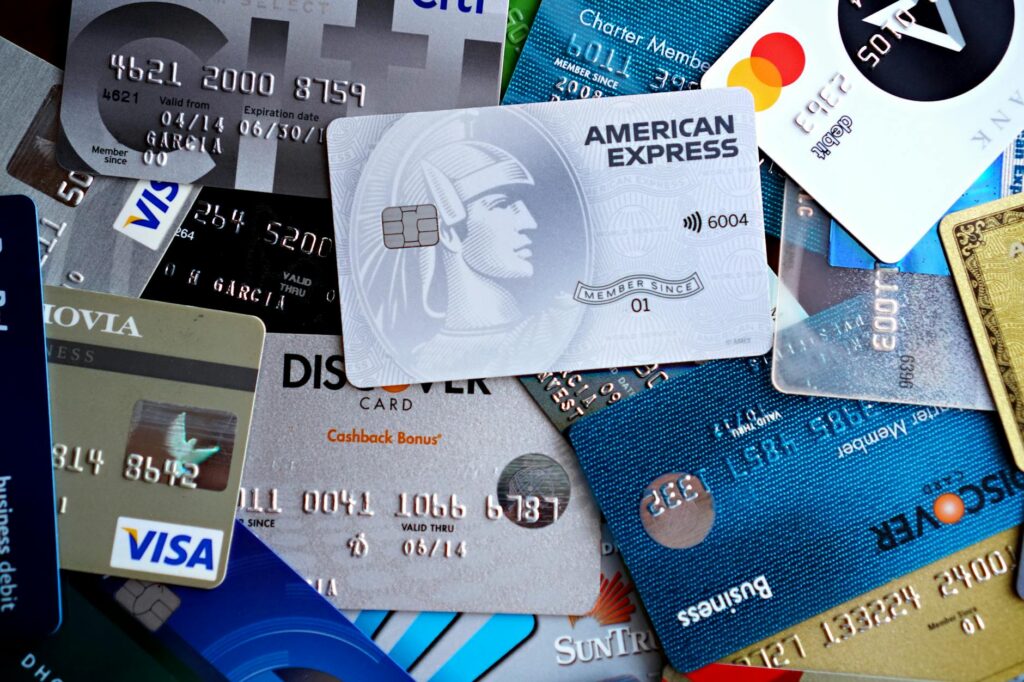
Every credit card statement shows you a minimum payment due. It is designed to be small — low enough that paying it feels manageable, low enough that you might not think twice about it. But that minimum payment is one of the most expensive choices you can make with your money. Here is the truth about what minimum payments actually cost you.
How Minimum Payments Are Calculated
Credit card issuers typically calculate your minimum payment in one of two ways: a flat dollar amount (often $25 or $35), or a small percentage of your outstanding balance — usually 1% to 3% — plus any interest and fees accrued that month. The result is a payment that barely covers the interest charged, leaving your principal balance almost untouched.
This is not an accident. The minimum payment structure is intentionally designed to maximize the time you carry a balance — and the amount of interest you pay over that time.
A Real-World Example
Consider a credit card with a $5,000 balance at 20% APR. If you make only the minimum payment each month — starting around $100 and declining as your balance falls — here is what happens:
- Time to pay off: Approximately 18 to 20 years
- Total interest paid: Roughly $4,800 to $5,500
- Total amount paid: Close to $10,000 on a $5,000 debt
You end up paying nearly double the original balance — and it takes the better part of two decades to get there. This is the silent tax of minimum payments.
What Happens When You Pay More
The same $5,000 balance at 20% APR looks dramatically different when you pay more than the minimum:
- At $150/month: Paid off in about 4 years, total interest roughly $2,100
- At $200/month: Paid off in about 3 years, total interest roughly $1,500
- At $300/month: Paid off in under 2 years, total interest roughly $950
The difference between minimum payments and $200 per month is not just $100 extra each month — it is approximately $3,500 to $4,000 in total interest saved. That is money that stays in your pocket instead of going to a credit card company.
The Compounding Problem
Credit card interest compounds daily on most accounts. That means every single day, interest is calculated on your current balance and added to what you owe. When you only pay the minimum, that new interest starts accruing interest itself. Your balance grows or shrinks barely at all, even as you dutifully make payments every month.
This is why many people feel stuck: they make minimum payments faithfully for years and look up one day to find their balance has barely moved. They were not falling behind — they were just standing still while the bank collected interest.
Why People Get Trapped by Minimums
The minimum payment trap is partly psychological. A small required payment feels like you are handling your debt responsibly. You are not missing payments. You are doing what the statement asks. But meeting the minimum requirement is not the same as making meaningful progress on your debt.
Additionally, when budgets are tight, the minimum is often all people can afford. If that is genuinely your situation, that is understandable. But even a modest increase above the minimum — as little as $20 or $30 extra per month — has a meaningful impact on how long you carry the debt and how much interest you pay.
The Opportunity Cost
There is another dimension to the cost of minimum payments that often goes overlooked: opportunity cost. Every dollar you spend on interest is a dollar you cannot save, invest, or use to build financial security.
Consider that the average stock market return over long periods is approximately 7% to 10% per year. Credit card interest rates frequently run at 18% to 27%. Carrying credit card debt while you could be investing is essentially a guaranteed negative return. You cannot invest your way out of high-interest debt — the math does not work in your favor until the debt is gone.
How to Break Free From Minimum Payments
Getting out of the minimum payment cycle requires intentional action:
- Commit to paying more than the minimum on at least one account. Even a small amount above the minimum dramatically changes your payoff timeline.
- Use the debt snowball or avalanche method. Systematic strategies turn your extra payments into a focused, efficient attack on your balances.
- Look for balance transfer opportunities. Moving a high-rate balance to a 0% introductory APR card can buy time to pay down principal without interest — just watch for transfer fees and expiration dates.
- Automate above-minimum payments. Set your payment to a fixed amount higher than the minimum so it happens automatically every month.
- Stop adding to the balance. Every new charge you make resets your progress. Pause discretionary credit card spending while you focus on payoff.
Federal Disclosure Requirements
Under U.S. federal law, credit card statements are required to show you a minimum payment warning: a calculation showing how long it will take to pay off your balance making only minimum payments, and how much interest you will pay. Many people glance past this box without registering what it means. Next time, read it carefully. The numbers may surprise you.
Small Changes, Massive Results
The mathematics of debt repayment are unforgiving in one direction but powerfully rewarding in the other. Paying the minimum traps you for decades. Paying meaningfully more frees you in years. The gap between those outcomes can be tens of thousands of dollars — and the quality of your financial life for years to come.
You do not need a financial windfall to escape the minimum payment trap. You need a plan, a number above the minimum, and the discipline to stick to it.
Use our free debt payoff calculator to build your plan today.
- YNAB (You Need A Budget) – Personal Finance Software — Helps users track spending and create debt payoff strategies, directly supporting the blog’s message about paying more than minimum payments
- Debt Payoff Planner – Amazon Kindle eBook — Complements the educational content about minimizing credit card debt and understanding payment strategies
- Credit Karma – Free Credit Monitoring — Allows users to monitor credit scores and understand how debt repayment affects their financial health, aligning with the blog’s focus on smart credit management
SPONSORED
AI-Powered Credit Monitoring & Repair
Franklin AI monitors your credit 24/7 and automatically disputes errors that may be dragging your score down. Start improving your credit today.
Start Free Trial →Affiliate partner — we may earn a commission at no cost to you.
SPONSORED
Split Purchases Into 4 Interest-Free Payments
Klarna lets you shop now and pay over time — no interest, no fees when you pay on time. Used by 150M+ shoppers worldwide.
Get the Klarna App →Affiliate partner — we may earn a commission at no cost to you.