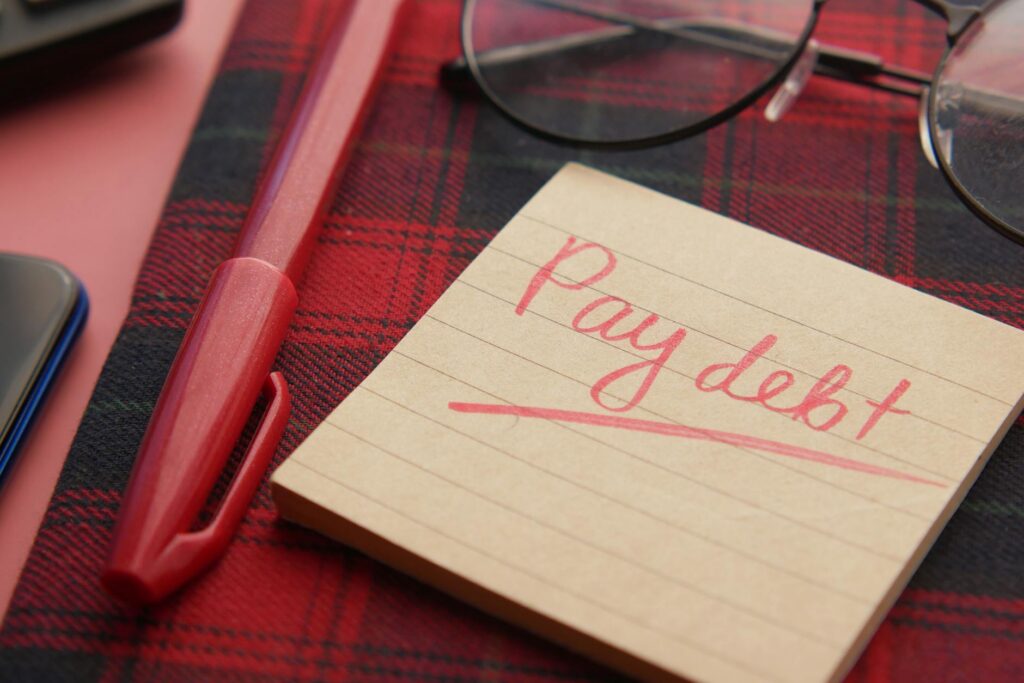
Debt doesn’t just strain your finances—it weighs heavily on your mind and body. Research consistently shows that financial stress and debt are major contributors to anxiety, depression, and sleep problems that can significantly impact your overall well-being. Understanding this connection is the first step toward breaking free from both the debt and the emotional burden it creates.
The Psychological Impact of Debt on Your Brain
When you carry debt, your brain enters a chronic state of stress. This happens because debt represents an unpaid obligation that triggers what psychologists call “cognitive load”—your brain constantly processes worry about payments, interest rates, and financial obligations in the background of your daily life.
This ongoing stress activates your body’s fight-or-flight response, releasing cortisol and adrenaline. While these hormones are useful in genuine emergencies, prolonged exposure to them from debt stress causes real physical and mental damage. Your prefrontal cortex—the part of your brain responsible for rational decision-making and impulse control—becomes less effective. This creates a vicious cycle: stress makes it harder to make good financial decisions, which can lead to accumulating more debt.
Studies from the American Psychological Association have found that people with high debt levels report significantly higher rates of anxiety disorders, clinical depression, and panic attacks compared to those without substantial debt. The fear of creditor calls, collection notices, and the uncertainty about your financial future creates a persistent state of worry that becomes exhausting.
Beyond anxiety, debt affects your sense of self-worth. Many people internalize their financial struggles, feeling shame or failure even though debt is a common challenge affecting millions of hardworking individuals. This shame often keeps people isolated, preventing them from seeking help or discussing their situation with trusted friends, family, or professionals.
Physical Health Consequences of Debt-Related Stress
The mind-body connection is powerful, and debt stress manifests in measurable physical health problems. Chronic stress from debt impairs your immune system, making you more susceptible to infections and illnesses. You may notice yourself getting sick more frequently when you’re under financial pressure.
Sleep problems are among the most common complaints from people carrying significant debt. Your mind races with financial worries when you try to rest, making it difficult to fall asleep or stay asleep through the night. Poor sleep then creates a cascade of additional problems: weakened immune function, reduced cognitive performance, and increased emotional reactivity. You’re more likely to feel irritable, overwhelmed, or depressed after a night of poor sleep—which then increases your stress levels further.
Debt-related stress also contributes to:
- High blood pressure and heart problems: Chronic stress causes sustained elevation in blood pressure, increasing your risk of cardiovascular disease.
- Headaches and muscle tension: Physical manifestations of anxiety often include tension headaches, back pain, and neck stiffness.
- Digestive issues: Stress hormones affect your digestive system, leading to stomach problems, acid reflux, and changes in appetite.
- Weight gain or loss: Some people stress-eat while others lose their appetite entirely, both of which can lead to unhealthy weight changes.
Over time, these physical symptoms can develop into serious chronic health conditions that require ongoing medical treatment, which ironically, can create additional financial stress and debt.
Debt Stress and Relationship Strain
Beyond individual mental and physical health, debt stress significantly damages personal relationships. Money is one of the leading causes of conflict in marriages and partnerships. When financial stress is high, couples often experience more frequent arguments, less emotional intimacy, and reduced communication about important issues.
Parents carrying significant debt report feeling ashamed in front of their children, anxious about providing for their families, and guilty about their financial situation. This stress affects parenting quality, as anxiety and depression make it harder to be emotionally present and patient with your kids. Children pick up on parental stress and may develop their own anxiety about money.
Socially, debt stress often leads to isolation. You might avoid gatherings where spending is involved, decline invitations due to financial pressure, or withdraw from friends and family because of shame about your situation. This isolation further worsens depression and anxiety, creating another negative cycle.
How to Use the Debt Payoff Calculator
One powerful way to reduce debt-related stress is to create a concrete, realistic plan for eliminating it. Vagueness and uncertainty amplify anxiety, but having a clear roadmap helps your brain shift from panic to problem-solving mode.
The debt payoff calculator helps you visualize exactly how long it will take to become debt-free under different payment scenarios. By entering your total debt, interest rates, and proposed monthly payments, you can see multiple pathways to freedom. This tool transforms abstract worry into actionable information.
Using the calculator serves several psychological benefits. First, it provides certainty—you know exactly when you’ll be debt-free. Second, it shows you that progress is possible, which combats the hopelessness that debt stress creates. Third, experimenting with different payment amounts helps you see the real impact of increasing your payments, which can motivate behavioral changes. Finally, having this information helps you discuss your financial situation with your partner or a financial advisor, reducing isolation and shame.
FAQ: Debt and Mental Health
Can debt cause panic attacks?
Yes. Financial stress activates your body’s stress response system, which can trigger panic attacks in susceptible individuals. Panic attacks from debt stress often occur when you receive bills, creditor notices, or when financial thoughts become overwhelming. If you’re experiencing panic attacks, consider speaking with a mental health professional while simultaneously working on a debt elimination plan.
What’s the relationship between debt and depression?
Debt contributes to depression through several mechanisms: chronic stress from financial worry, loss of control and agency, shame and social isolation, and the real physical effects of stress hormones on brain chemistry. Research shows that people with high debt have significantly higher depression rates. Breaking the debt cycle can improve depressive symptoms, though professional mental health support may also be beneficial.
How can I reduce stress while paying off debt?
Practical steps include: creating a realistic debt payoff plan using a calculator (which provides psychological certainty), breaking large goals into smaller milestones to celebrate progress, seeking support from trusted friends or a counselor, maintaining healthy habits like exercise and sleep, and remembering that debt is a solvable problem, not a reflection of your worth as a person. Consider working with a financial advisor to optimize your payoff strategy.
Related: debt and mental health impact
Related: debt payoff vs investing priority
Related: balance transfer cards guide
Related: prioritize multiple debts strategically
Related: credit card rewards vs debt payoff
Related: debt settlement and credit impact
Related: credit card payoff guide
Related: credit card payoff strategies methods
Related: cost of minimum payments
Related: secured vs unsecured debt
Related: debt snowball method guide
Related: save 1000 in 30 days tips
Related: stop living paycheck to paycheck
Related: build a debt payoff plan
Related: credit card debt payoff strategies
Related: psychology of debt overspending
Related: what happens if you stop paying credit cards
Related: build credit from scratch
Related: choose the right repayment plan
- Stress Relief and Mindfulness Apps (Calm or Headspace) — Directly addresses the mental health impacts of debt stress mentioned in the post. Users seeking debt management help often need stress reduction tools.
- Best Personal Finance and Budgeting Books — Complements the financial wellness journey by providing educational resources on breaking free from debt, which the post positions as a path to mental health improvement.
- Sleep Aid and White Noise Machines — Post specifically mentions debt-related sleep problems. Sleep improvement devices are a natural fit for readers struggling with stress-induced insomnia.
SPONSORED
AI-Powered Credit Monitoring & Repair
Franklin AI monitors your credit 24/7 and automatically disputes errors that may be dragging your score down. Start improving your credit today.
Start Free Trial →Affiliate partner — we may earn a commission at no cost to you.
SPONSORED
Split Purchases Into 4 Interest-Free Payments
Klarna lets you shop now and pay over time — no interest, no fees when you pay on time. Used by 150M+ shoppers worldwide.
Get the Klarna App →Affiliate partner — we may earn a commission at no cost to you.