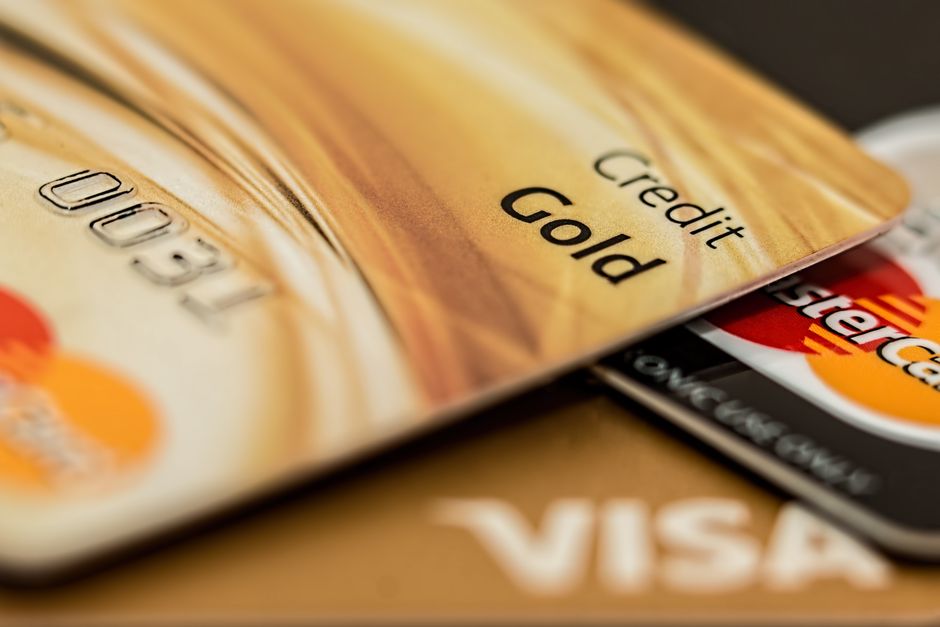
A secured credit card requires a cash deposit as collateral that serves as your credit limit. It helps build or rebuild credit history while managing existing debt by reporting payment activity to credit bureaus. Users can graduate to unsecured cards once creditworthiness improves. (Related: 5 Common Debt-Worsening Habits and How to Break Them with Debt Calculators) (Related: Credit Card Debt Crisis 2024: Warning Signs, Comparison to 2008, and Debt Management Strategies) (Related: 5 Proven Ways to Get Out of Debt on a Single Income in 2026) (Related: Interest Rate Comparison: Snowball vs. Avalanche Debt Payoff) (Related: Top 7 Personal Finance Apps for Debt Tracking in 2026) (Related: Home Equity Loan for Debt Consolidation: 5 Essential Facts for 2026)
What Is a Secured Credit Card?
A secured credit card is a financial product designed specifically for people with limited, damaged, or no credit history. Unlike a traditional card, it requires you to submit a refundable security deposit — typically between $200 and $2,500 — which becomes your credit limit. This deposit reduces the lender’s risk while giving you access to a revolving credit line.
Understanding how secured credit cards work is straightforward: you spend up to your deposit amount, pay your bill each month, and the card issuer reports your payment behavior to one or more of the three major credit bureaus — Equifax, Experian, and TransUnion. That reporting is what drives credit score improvement over time.
A secured credit card for bad credit is one of the most accessible rebuilding tools available. Most issuers have minimal approval requirements, making them a practical entry point even after bankruptcy, collections, or missed payments. According to the Consumer Financial Protection Bureau (CFPB), responsible use of any credit product that reports to the bureaus can positively influence your credit profile.
How Secured Credit Cards Help Build Credit While Managing Debt
One concern many people share is whether they can work on credit improvement while simultaneously paying down existing balances. The answer is yes — but it requires discipline and a clear system.
Can you build credit while paying off debt with a secured credit card?
Yes. Using a secured card for small, recurring purchases — such as a streaming subscription or monthly utility — while aggressively paying down other debt is a widely recommended dual-track approach. The key metrics your credit score tracks include payment history (35% of your FICO score) and credit utilization (30%). Keeping your secured card utilization below 10% while making on-time payments builds positive history without adding meaningful new debt. This is a practical form of secured credit card debt management that keeps both goals moving forward simultaneously.
How long does it take to build credit with a secured credit card?
Most consumers begin seeing measurable score improvements within three to six months of consistent, on-time payments and low utilization. A meaningful score increase — enough to qualify for an unsecured card or better loan terms — typically takes six to twelve months. According to FICO’s published scoring methodology, a single 30-day late payment can drop a score by 60 to 110 points, which underscores why payment consistency is the single most important variable in this timeline.
Key Features and Requirements of Secured Credit Cards
Not all secured cards are created equal. When evaluating the best secured credit cards 2026 options, watch for these factors:
- Annual fees: Some secured cards charge $25–$50 annually. Factor this into your cost calculation, since fees reduce the effective value of your deposit.
- APR: Secured cards often carry higher interest rates — sometimes 25–29% APR. Carrying a balance erases any credit-building benefit and increases debt load.
- Bureau reporting: Confirm the issuer reports to all three major bureaus. Cards that only report to one bureau build a thinner credit file.
- Deposit refund policy: Understand when and how you get your deposit back, especially if you close the account or graduate to an unsecured product.
- Credit limit increases: Some issuers allow you to add to your deposit over time, increasing your available credit without a new application.
Minimum deposit requirements typically start at $200. Some issuers require a bank account for the deposit transfer, while others accept money orders. Always read the full cardholder agreement before applying.
Strategies for Using Secured Cards Effectively
Owning a secured card is only half the equation. How you use it determines whether your credit score climbs or stalls.
- Charge one small bill per month. Pick a fixed, predictable expense and put only that on the card. This keeps utilization low and ensures you always have a payment to make.
- Pay the full balance before the due date. Paying in full avoids interest charges entirely. This is critical when you’re simultaneously managing other debt repayment.
- Set autopay for at least the minimum. Even if you plan to pay in full, autopay prevents accidental missed payments — which are the fastest way to damage the credit score you’re working to build.
- Monitor your credit utilization weekly. Most issuers report your balance to bureaus on your statement closing date, not your payment due date. Pay down the balance before the closing date to report a lower utilization ratio.
- Avoid opening multiple new accounts simultaneously. Each new application generates a hard inquiry. Space out new credit applications by at least six months to limit score impact.
Comparing Secured vs. Unsecured Credit Cards
The secured credit card vs unsecured comparison comes down to risk and access. An unsecured card requires no deposit and typically offers rewards, higher limits, and lower fees — but demands demonstrated creditworthiness for approval. A secured card trades those perks for accessibility.
| Feature | Secured Card | Unsecured Card |
|---|---|---|
| Deposit Required | Yes ($200–$2,500) | No |
| Credit Score Needed | Poor to Fair (300–579) | Fair to Excellent (580+) |
| Typical APR | 25–29% | 18–26% |
| Rewards Programs | Rare | Common
Recommended Resources:
See also: Balance Transfer Calculator: Save Money & Pay Off Debt Fast See also: Debt-to-Income Ratio: The Complete 2026 Guide for Mortgages and Major Loans Related: Credit Card vs Debit Card: 5 Essential Differences in 2026 Related: Credit Building Timeline 2026: 7 Essential Milestones to Expect Month by Month Related: The Impact of Hard Inquiries on Your Credit Score and Approval Odds: 5 Essential Facts for 2026 SPONSORED AI-Powered Credit Monitoring & RepairFranklin AI monitors your credit 24/7 and automatically disputes errors that may be dragging your score down. Start improving your credit today. Start Free Trial →Affiliate partner — we may earn a commission at no cost to you. SPONSORED Split Purchases Into 4 Interest-Free PaymentsKlarna lets you shop now and pay over time — no interest, no fees when you pay on time. Used by 150M+ shoppers worldwide. Get the Klarna App →Affiliate partner — we may earn a commission at no cost to you. Debt Payoff Assistant Powered by AI · Free ··· |